ARMY DEFIES COURT ORDER OVER IOWA EXPLOSIVES: Plans Detonation of Nearly Five Tons of Lead Despite Health Concerns
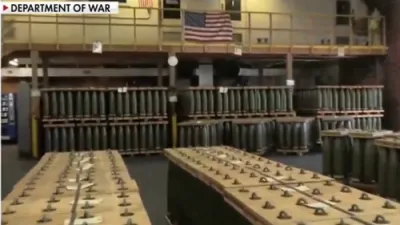
The U.S. Army is preparing to detonate nearly five tons of degraded lead azide explosives at the Iowa Army Ammunition Plant in Middletown, Iowa, despite a federal appeals court temporarily blocking the environmental permit authorizing the operation. The planned destruction of approximately 68 barrels of unstable explosives has sparked growing controversy, with environmental groups, residents and officials raising concerns about the potential release of toxic lead dust into surrounding communities. The Army argues that the deteriorating material has become increasingly unstable, particularly as temperatures are expected to drop below freezing, potentially triggering a spontaneous and uncontrolled explosion. Military officials contend that a controlled detonation is the safest available option because moving or chemically treating the explosives could create additional risks. However, environmental advocates argue that the government has not adequately examined alternatives or provided sufficient public notice about the potential consequences. The Army has reportedly invoked an emergency exemption to federal environmental regulations, arguing that the immediate danger posed by the unstable explosives justifies proceeding despite the court's temporary suspension of the EPA permit.
The proposed detonation has raised alarm over the possibility of lead contamination affecting air, soil, water and nearby agricultural areas, with environmental groups warning that toxic particles could potentially travel significant distances depending on weather conditions. Lead is a potent neurotoxin with no known safe level of exposure, and children, pregnant women and other vulnerable populations face particularly serious health risks from contamination. Residents living in surrounding communities, including people reportedly located more than 100 miles away, have expressed concerns about the potential spread of hazardous dust and the lack of clear information regarding protective measures. Federal officials say the operation will involve safety precautions, environmental monitoring and mitigation measures intended to minimize the risks associated with the controlled explosion. The Army initially scheduled the detonation for November 20 before postponing it amid public opposition and legal challenges, with the latest reported plan targeting November 25. The dispute has placed the military's urgent explosives-disposal concerns against demands for greater transparency, environmental safeguards and judicial oversight, as communities await further clarification about the operation's timing and potential impact.