RUTTE DEFENDS TRUMP'S PUTIN STRATEGY: NATO Chief Says President Is Testing Russia to End Ukraine War
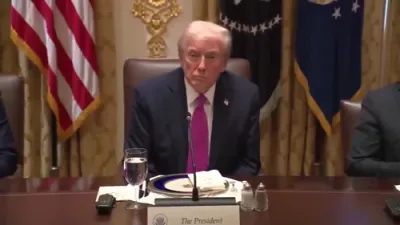
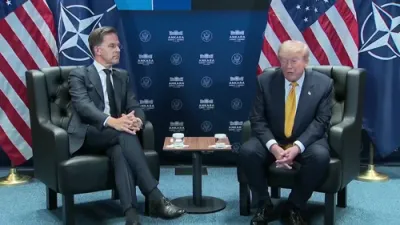
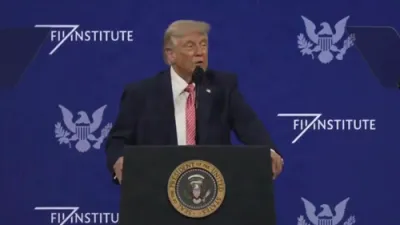
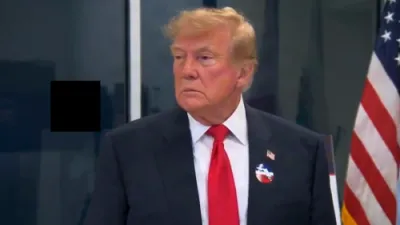
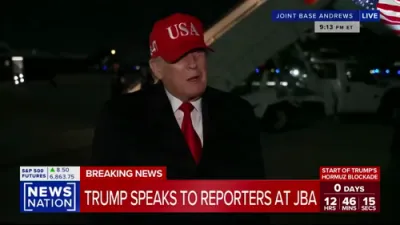
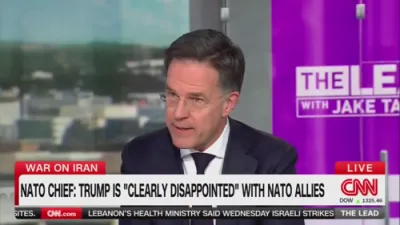
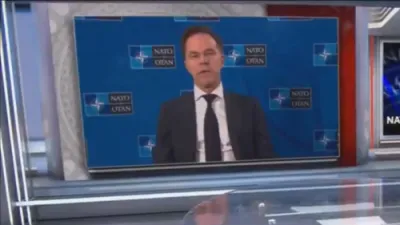
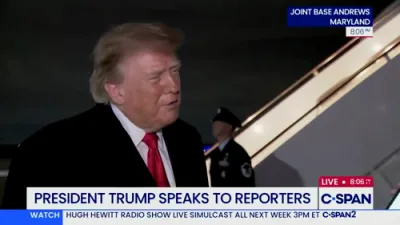
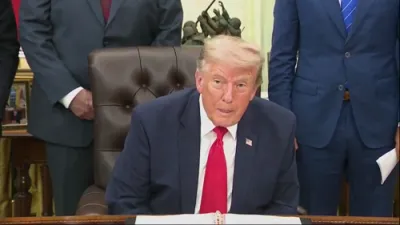
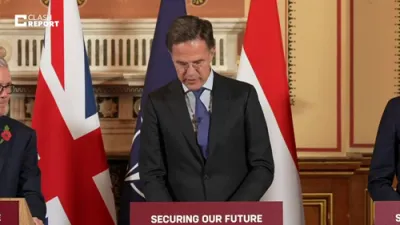
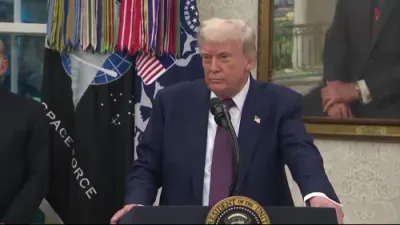
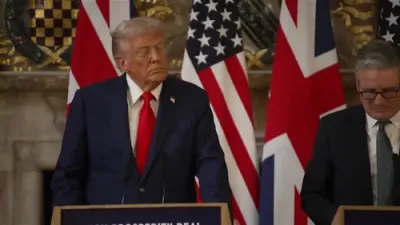
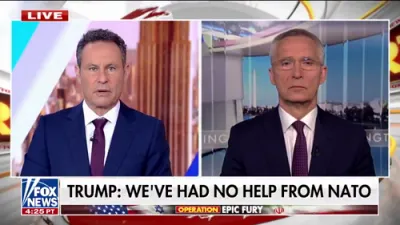
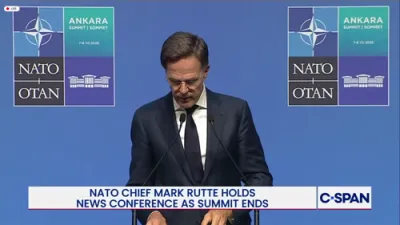
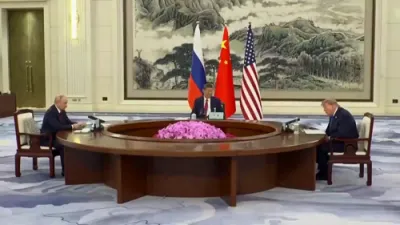
NATO Secretary General Mark Rutte is standing behind President Donald Trump's diplomatic approach toward Russian President Vladimir Putin, arguing that direct engagement is necessary to determine whether Moscow is genuinely prepared to end the war in Ukraine. His comments come after Trump sparked criticism by greeting Putin as "my friend" ahead of their historic trilateral meeting with Chinese President Xi Jinping in Shenzhen on November 19. Asked earlier about Trump's friendly description of the Russian leader, Rutte rejected the suggestion that the meeting itself was cause for alarm, stressing that dialogue between major nuclear powers is normal. He also praised Trump's efforts to end the conflict, describing them as "Herculean efforts" and saying he could only commend the president for his work toward peace. Rutte's defense reflects a central argument behind Trump's strategy: negotiating with an adversary does not mean trusting that adversary, but can provide an opportunity to test its willingness to make a deal. Polish Prime Minister Donald Tusk, however, sharply criticized Trump's warm greeting, posting, "God, protect us from such friends," as concerns continued across Europe about Russia's intentions and Ukraine's future.
Rutte is scheduled to meet Trump at Mar-a-Lago in Palm Beach, Florida, on November 25, with the war in Ukraine, NATO's defense commitments and transatlantic security expected to feature prominently in their discussions. The NATO chief has repeatedly credited Trump with putting pressure on European allies to increase defense spending, while the alliance's push for greater military investment has also created major opportunities for American defense manufacturers. Rutte has highlighted European purchases of U.S.-made F-35 fighter jets as an example of how stronger allied defense commitments can benefit American industry and support jobs in the United States. In the remarks supplied ahead of the meeting, he also argued that Trump's approach is testing Putin's seriousness, maintaining pressure on Russia and ensuring Ukraine receives essential assistance. The diplomatic challenge remains enormous, as Russia continues its military campaign and European leaders insist that Ukraine must have a meaningful role in any peace settlement. Rutte's position sends a clear message: diplomacy with Putin should be judged by whether it produces concrete results, not simply by the language used when world leaders meet.