IRAN VOWS TO DEFEAT U.S. BLOCKADE: Araghchi Says Tehran Will Secure Essential Supplies Through Alternative Routes
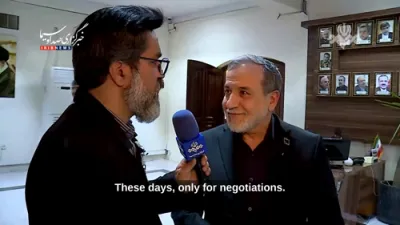
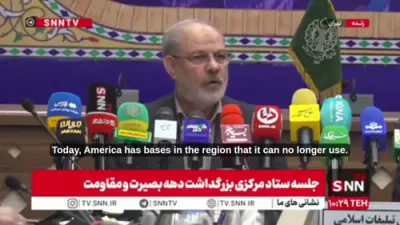
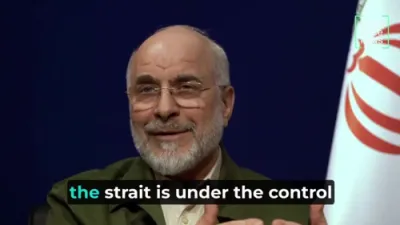
Iranian Foreign Minister Abbas Araghchi has vowed that Tehran will continue securing essential goods despite mounting pressure from the United States and its naval blockade. In recent remarks reported by Iranian media, Araghchi said the government would use alternative supply routes and economic partnerships to frustrate attempts to isolate the country. "We will secure essential goods through various means and frustrate our enemies' attempts to blockade the country," he declared. Araghchi has argued that a complete land blockade would be nearly impossible because Iran shares extensive borders and longstanding commercial ties with neighboring countries. He pointed to the role of border provinces, regional trade networks and alternative transportation corridors in keeping supplies moving into the country. Iranian officials have also highlighted efforts to increase imports through northern ports and land crossings as restrictions on southern maritime routes continue.
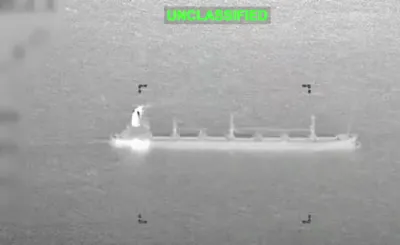
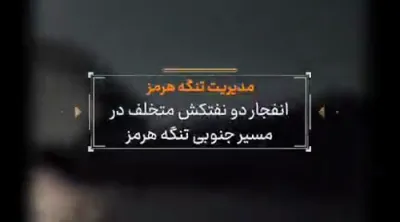
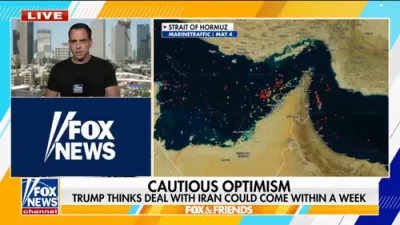
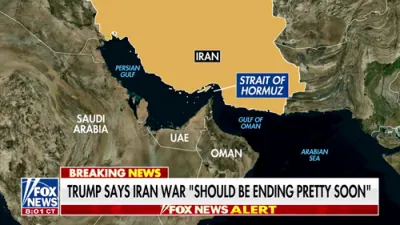
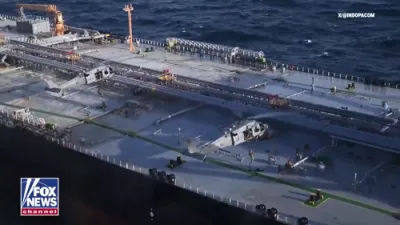
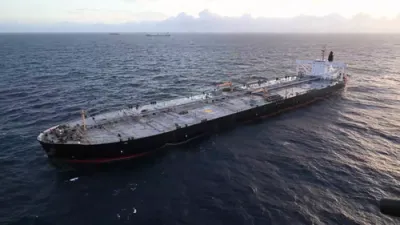
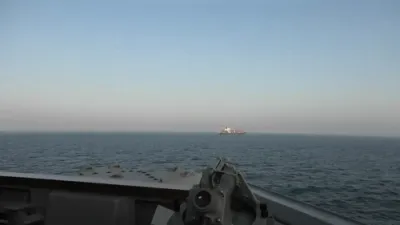
The statements come amid escalating tensions over the U.S. naval blockade and the future of the Strait of Hormuz, a strategic waterway central to Iran's trade and energy exports. Araghchi has maintained that Tehran remains open to diplomacy, but insists that Washington must meet Iran's demands before normal navigation through the strait can be restored. Qatar and Pakistan have been involved in transmitting proposals between the two sides, although no comprehensive agreement has been reached. Iran's government says it has expanded alternative import routes and increased the movement of essential goods through non-southern gateways, while acknowledging that shifting cargo overland creates logistical and infrastructure challenges. Independent reporting has also highlighted the limitations of these routes, noting that land transportation cannot easily replace the volume of goods normally carried by ships. Araghchi's message is that Iran intends to withstand economic pressure while keeping diplomatic options open, but the effectiveness of its alternative supply network remains a major question as the standoff continues.