CHEVRON REFINERY ACTIVATES EMERGENCY FLARING: Smoke Rises Near LAX After Los Angeles Earthquake
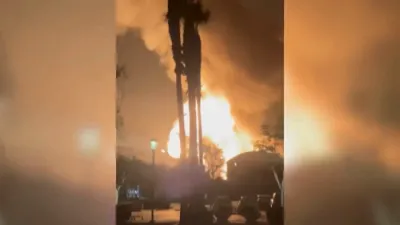
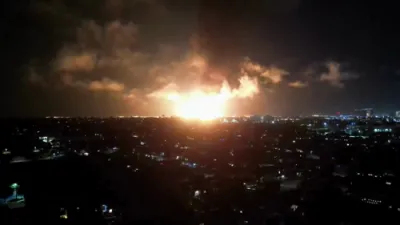
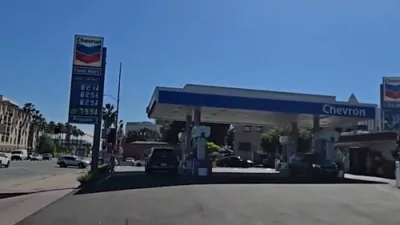
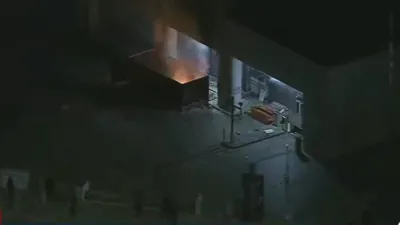
Chevron's El Segundo refinery activated contingency flaring following the magnitude 5.0 earthquake that shook the Los Angeles region on November 28, sending visible smoke and flames into the sky near Los Angeles International Airport. The precautionary operation drew attention from residents and travelers as smoke rose from the industrial facility following the strong ground shaking. City alerts indicated that the flaring was part of the refinery's response procedures and that there was no immediate threat to public safety. Emergency flaring is a standard industrial safety measure used to safely burn off excess gases when equipment is disrupted or operating conditions change unexpectedly. The refinery's proximity to LAX made the plume particularly noticeable, especially as airport cameras and witnesses were already documenting the earthquake's effects across the area. The incident added another dramatic development to a day of seismic activity that disrupted airport operations and prompted safety inspections throughout Southern California.
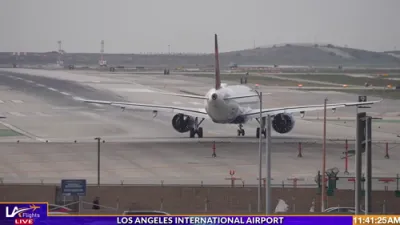
The initial earthquake struck at approximately 9:30 a.m. Pacific Time, with an epicenter offshore near Manhattan Beach, and was followed by numerous aftershocks, including a magnitude 4.5 tremor later in the morning. The shaking was strong enough to rattle buildings, break glass and disrupt some operations at LAX, where arriving aircraft were instructed to perform go-arounds as a precaution. Chevron's decision to activate contingency flaring highlighted how earthquakes can affect major industrial facilities even when no immediate danger to surrounding communities is reported. Authorities continued monitoring the situation while emergency personnel conducted assessments across the Los Angeles area. Although the visible smoke raised questions among nearby residents, city alerts indicated that the refinery incident did not pose a public safety threat at the time. Officials and residents remained watchful as Southern California continued experiencing aftershocks following the initial earthquake.