ANDURIL FOUNDER DEFENDS TRUMP ON UKRAINE: Palmer Luckey Says President Inherited an Impossible Situation
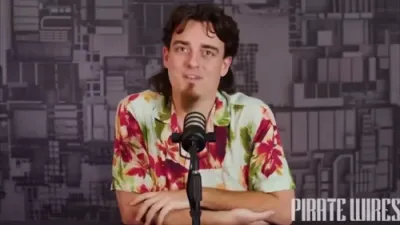
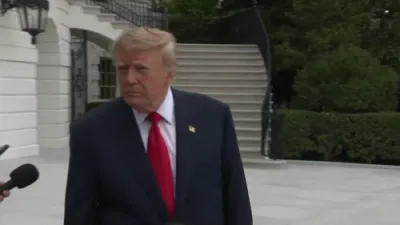
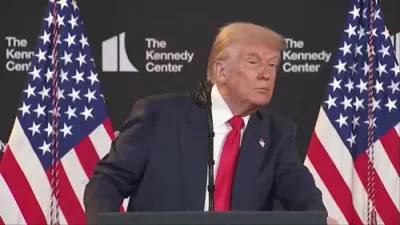
Anduril Industries founder Palmer Luckey is defending President Donald Trump's handling of the war in Ukraine, arguing that years of European energy dependence and earlier American policy decisions left the president facing an extraordinarily difficult diplomatic situation. Speaking during a 2026 New York Times DealBook Summit interview, Luckey made clear that he fully supports Ukraine, saying he has been more supportive of Kyiv than many Republicans and has publicly challenged members of his own political camp over the issue. However, he rejected the argument that Trump's approach means the president is siding against Ukraine, insisting that Trump inherited problems that had been building for years. Luckey pointed to Trump's first administration, recalling how the president warned European leaders in 2018 that Germany's growing dependence on Russian energy would leave it vulnerable to Moscow's influence. Those warnings drew visible laughter and amused reactions from members of the German delegation at the United Nations, an episode Luckey cited as evidence that European governments had dismissed concerns about their energy security. He argued that Europe entered the war insufficiently prepared and that the United States also lacked the strategic readiness needed to manage the crisis effectively.
Luckey also raised questions about Germany's financial relationship with Russia after the invasion, arguing that payments for Russian energy had exceeded the assistance Berlin provided to Ukraine. His comments reflect a broader criticism of Europe's prewar reliance on Russian oil and gas, which gave Moscow an important economic relationship with one of the continent's largest economies. He further recalled attempting to sell defense equipment to Ukraine before the full-scale invasion, saying that officials at the U.S. State Department had raised concerns about corruption and Kyiv's confrontational posture toward Russia. Luckey emphasized that this was his recollection of the government's position at the time, not necessarily his own assessment of Ukraine. He maintained that Trump now has to manage the consequences of those earlier decisions rather than operate under ideal circumstances. Luckey also cautioned that publicly attacking the president is not necessarily the most effective way for people who support Ukraine to influence his decisions, arguing that constructive pressure may be more productive than political confrontation.