Newly Released USAID Files Ignite Washington Controversy Over Censorship, Foreign Influence and Taxpayer Spending
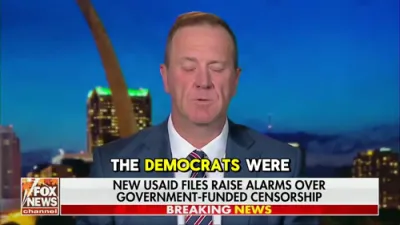
A newly released collection of internal U.S. Agency for International Development (USAID) documents has ignited a political firestorm in Washington, raising fresh questions about the agency's work with social media companies, disinformation programs and foreign influence operations. The Trump administration restored USAID's website on November 24, 2026, publishing approximately 248 files, including internal emails, presentations, reports, chat records and videos spanning several years. The administration says the documents reveal how USAID was used to advance an agenda that conflicted with American values, particularly through initiatives involving information control and online content moderation. Among the records are discussions involving Meta, Google and YouTube, as well as proposals connected to organizations working on disinformation research and media monitoring. Some documents raise questions about how government-funded programs interacted with private technology companies and whether those relationships created opportunities for government influence over online speech. The release has intensified demands for greater transparency and accountability over how billions of taxpayer dollars were allocated through foreign assistance programs and nonprofit organizations.
The controversy has also exposed a sharp divide over what the documents actually demonstrate, with critics demanding investigations while former USAID officials argue that the administration released a selective collection without sufficient context. The Washington Post and several other major outlets have reported on the document release, although coverage has focused on both the contents of the files and the controversy surrounding their publication. Democratic lawmakers, including Senator Jeanne Shaheen and Representative Gregory Meeks, have challenged the release, arguing that it contains selectively presented material and potentially exposes sensitive personal information. Meanwhile, investigative reporting has identified records showing USAID's involvement in discussions about social media moderation, trusted-flagger programs and efforts to counter online misinformation, although not every proposal in the files resulted in funding or implementation. The documents have not, by themselves, established that billions of dollars were stolen or that USAID operated a coordinated domestic censorship scheme. With Congress preparing for a new legislative session, lawmakers face renewed pressure to examine the agency's spending, investigate potential abuses and establish stronger safeguards against the misuse of taxpayer-funded programs by future administrations.