CAPABILITY RACE: PM Netanyahu Pushes Israel to Outmatch Enemies Including Rising Turkey
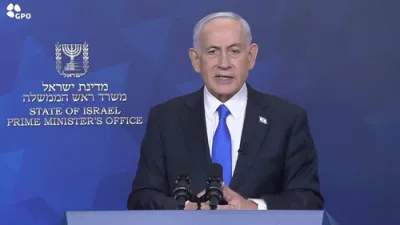
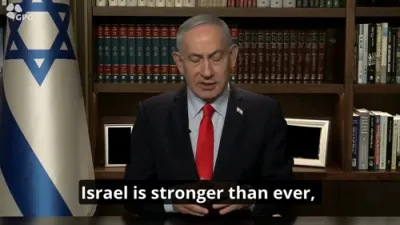
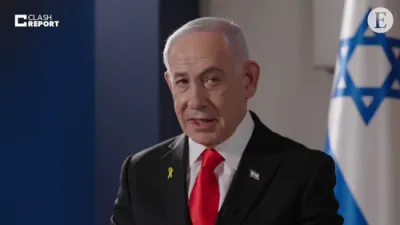
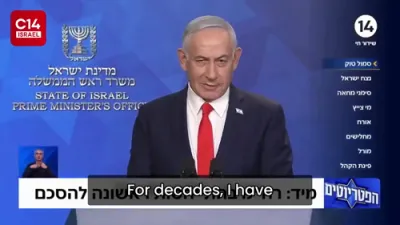
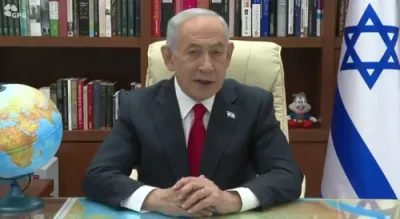
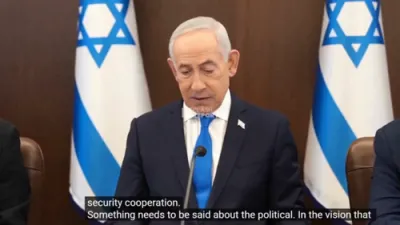
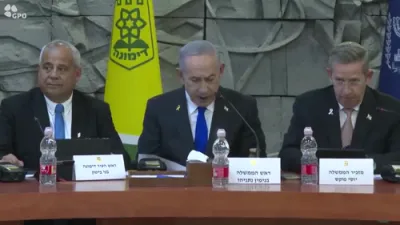
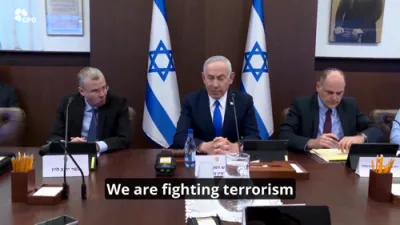
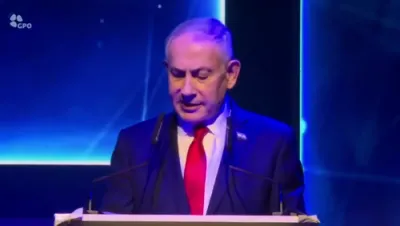
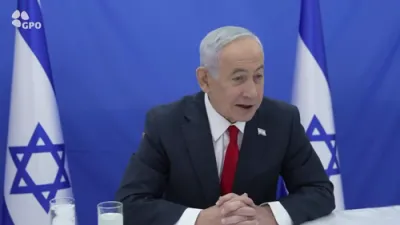
Israeli Prime Minister Benjamin Netanyahu has stated that Israel cannot rely solely on the intentions of potential adversaries and must continuously build military capabilities stronger than those of any enemy. In remarks directed at the challenge posed by Turkey, he emphasized that he is not seeking confrontations yet insists on maintaining clear superiority. Netanyahu argued that intentions change, particularly when a country appears weak, and that attacks come against the weak while respect and even peace come only with strength. He framed this as a core principle for defending the State of Israel in a volatile region. The comments reflect a long-standing Israeli doctrine that prioritizes hard power as the foundation of security.
Netanyahu stressed that peace alliances are formed with the strong rather than the weak, making constant enhancement of Israel’s capabilities essential. He presented strength as the factor that deters aggression and creates the conditions under which adversaries choose negotiation over conflict. The message was delivered amid heightened tensions in August 2026, when Israeli forces struck Syria’s Abu al-Duhur airbase specifically to prevent the deployment of Turkish troops. That action formed part of a wider pattern of friction that has included sharp rhetoric over Gaza, incidents involving flotillas, and Netanyahu’s own election campaign framing Turkish President Recep Tayyip Erdogan as a strategic threat. The combination of words and military moves has kept the relationship under close watch.
Turkey has not launched any direct military attack on Israel in recent history, a fact that stands in contrast to the intensity of the current diplomatic and strategic rivalry. Relations remain strained by competing ambitions in Syria, mutual public accusations, and Turkey’s pursuit of an international arrest warrant against Netanyahu. These points of contention have replaced earlier periods of closer ties and now define the bilateral atmosphere. Israeli officials view Turkish moves in neighboring Syria as potentially altering the regional balance in ways that could affect Israel’s northern security. The absence of direct past attacks does not, in Netanyahu’s stated view, remove the need for preparedness against future shifts in intent.
The prime minister’s argument centers on the idea that weakness itself invites aggression and that only demonstrated superiority commands lasting respect. By linking the general principle to Turkey, he signals that Jerusalem sees Ankara’s growing regional footprint as a capability challenge requiring an Israeli response in kind. The recent airbase strike illustrated how Israel is prepared to act pre-emptively when it perceives an emerging threat near its borders. At the same time, the emphasis on building strength rather than seeking confrontation leaves open the possibility that deterrence could stabilize the relationship. Observers note that such language often serves both strategic and domestic political purposes during an election period.
Questions remain about how far this doctrine will shape future Israeli policy toward Turkey and whether the focus on military superiority will reduce or intensify existing tensions. Netanyahu’s insistence that peace follows strength rather than the reverse offers a clear philosophical stance even as Turkey continues to avoid direct military engagement with Israel. The practical test will come in how both sides manage competing interests in Syria and elsewhere. For now, the Israeli leader has restated a familiar principle with renewed urgency, tying it explicitly to the challenge he sees from Ankara. The coming months will show whether the buildup of capabilities produces the respect and restraint he predicts.