4,000-FOOT DROP: Video Shows Colossal Boulder Tumbling in Nepal Flood Disaster
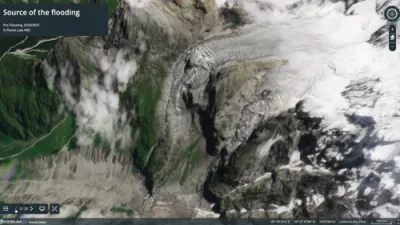
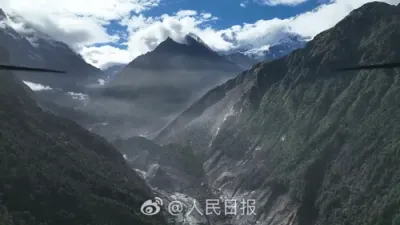
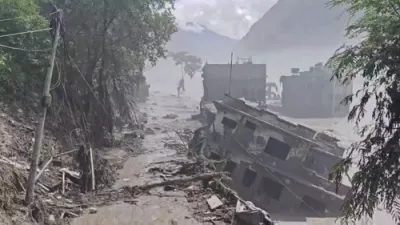
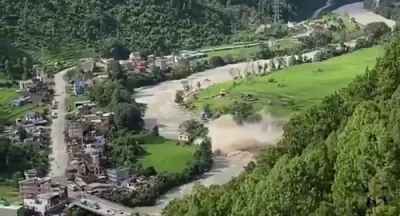
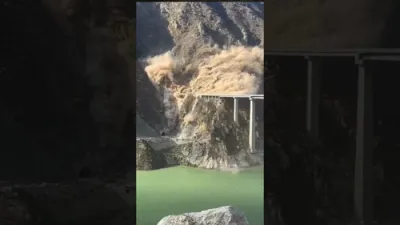
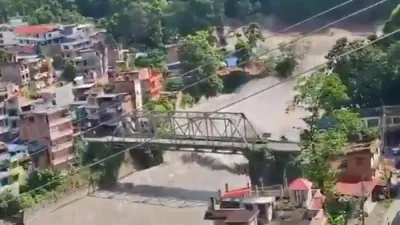
A dramatic video circulating online captures a massive boulder tumbling through a wall of mud and debris during the catastrophic flood that struck the Nepal-Tibet border region on August 26, 2026. Filmed from a rooftop as the muddy torrent surged through a Himalayan valley, the footage shows the sheer scale of the rock being carried along as if it weighed nothing, a visual reminder of just how much force the flood unleashed. The disaster began when a large section of glacier broke away high in the mountains above the Lhende River in Tibet, falling roughly 4,000 feet before slamming into the valley below. That collapse initially dammed the river, and when the resulting blockage gave way shortly afterward, it sent a devastating surge of water, ice, and rock tearing through settlements downstream.
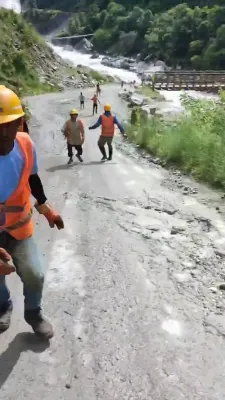
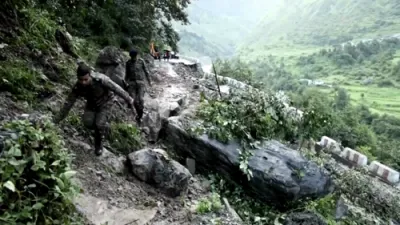
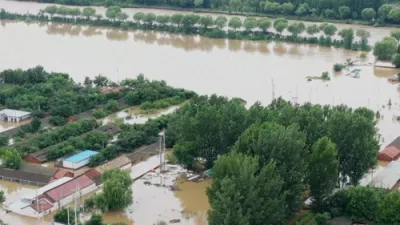
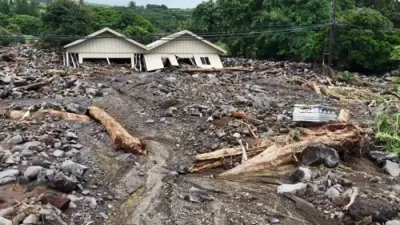
The scale of destruction has been staggering, with the flood sweeping away homes, bridges, hydropower plants, and border infrastructure across Nepal's Rasuwa district and into Tibet's Gyirong County. Authorities have reported hundreds of deaths, with the toll continuing to climb as search efforts proceed, and well over a thousand people remain missing on both sides of the border. Scientists initially believed a magnitude 4.4 earthquake triggered the glacier's collapse, but the U.S. Geological Survey later revised that assessment, determining that the seismic signal, registering at magnitude 5.2, was actually generated by the landslide itself rather than by tectonic activity. Researchers who study glacial hazards in the region have called it one of the worst events of its kind they have ever witnessed.
The viral boulder footage offers a striking, if unsettling, illustration of the hydraulic forces capable of relocating massive rocks over long distances, forces that geologists say mirror the processes responsible for depositing glacial erratics found scattered across landscapes long after the last Ice Age ended. Those ancient boulders, sometimes found perched in seemingly improbable locations far from their geological origins, were carried and dropped by moving ice and meltwater in a similar, if far slower, process. Watching a boulder of significant size get swept along by mud and water in real time gives a rare, visceral sense of how such displacement can happen, even though the August 2026 flood unfolded over minutes rather than millennia. Scientists note that events like this help explain long-standing geological mysteries about how large rocks end up so far from their source material.
Beyond its geological significance, the flood has reignited concerns about the growing instability of glaciers across the Hindu Kush Himalaya region, which has lost ice at a dramatically accelerated rate over the past decade compared to the one before it. Experts caution that while it remains too early to pin this specific glacier collapse directly on climate change, the disaster fits a broader pattern of increasing glacial hazards as the region continues to warm. With thousands of glacial lakes identified across Nepal, India, and Tibet, dozens of which are already classified as potentially dangerous, disaster risk specialists are calling for stronger early-warning systems to protect communities living downstream. For now, the viral image of a boulder tumbling through the wreckage stands as a haunting snapshot of a tragedy that is still being measured in lives lost and families searching for the missing.