WHITE HOUSE RESPONDS: President Trump Pledges Aid as Nepal Flood Death Toll Climbs
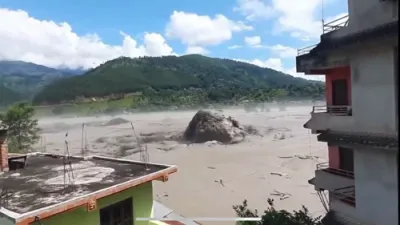
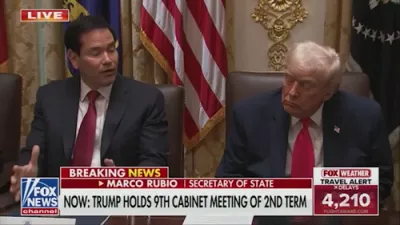
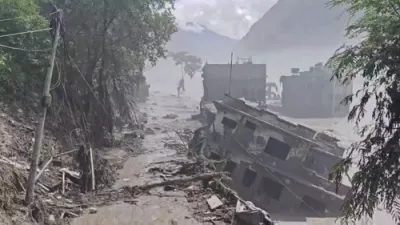
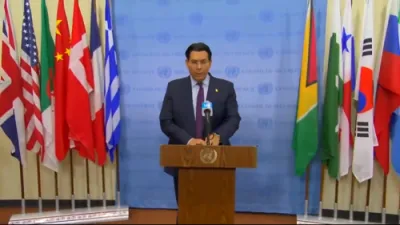
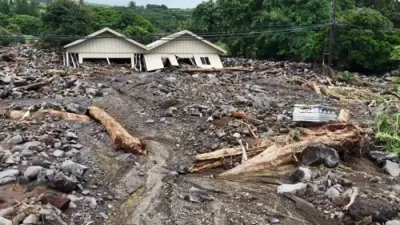
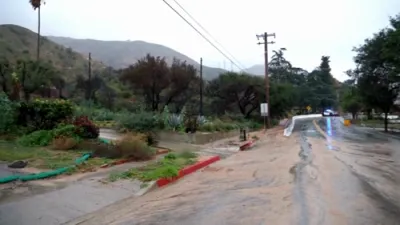
President Trump addressed the catastrophic flooding in Nepal on Thursday, telling reporters in the Oval Office that the United States has already reached out to Nepalese leadership and offered whatever assistance the country needs. "It's terrible. We've called Nepal, and we've offered any help that they need," Trump said, adding, "We're sending aid, and we've spoken to the leadership, and we let them know anything they want, we'll have." He described the destruction as unlike anything he had seen before, noting that the flood was not simply water but a violent mixture of mud and debris powerful enough to level well-built structures as if they were made of toothpicks. Trump also acknowledged that dozens of Americans, somewhere between 50 and 60 by his count, remain unaccounted for, though he cautioned that the administration had not yet received a complete list of the missing.
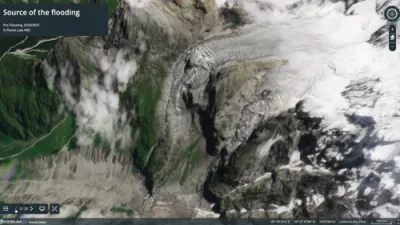
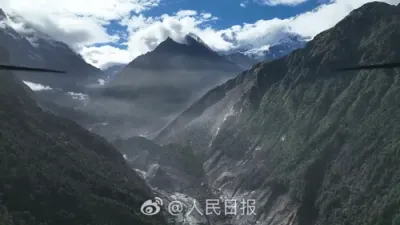
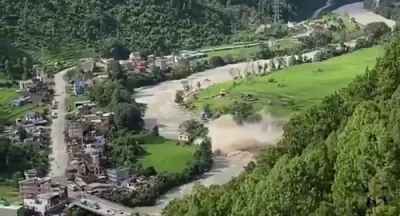
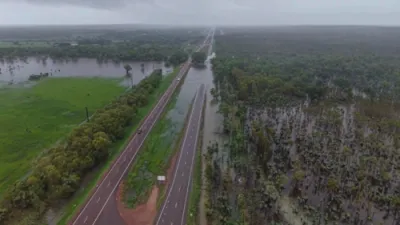
The disaster Trump was responding to struck the Nepal-Tibet border region on August 26, when a massive section of glacier broke away high in the mountains and triggered a debris flow that tore through communities in Nepal's Rasuwa district and Tibet's Gyirong county. As of the latest reports, the confirmed death toll has climbed toward 400, with more than 1,300 people still missing across both sides of the border, including hundreds of foreign nationals who were in the region for trekking, tourism, or religious pilgrimage to sites like Mount Kailash. The U.S. State Department has confirmed that roughly 90 Americans were reported missing in the disaster's immediate aftermath, prompting an active effort by U.S. officials to track down citizens and confirm their safety. Families of missing Americans, including a 14-year-old New Yorker and her mother who were traveling together in the region, have described anxious waits for any word since communications in the area collapsed.
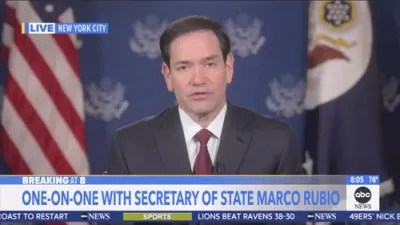
Beyond the president's public remarks, the U.S. government has already taken concrete steps to support relief efforts, including a $500,000 grant sent to Catholic Relief Services to assist with emergency response on the ground. The State Department has also set up dedicated phone lines for Americans needing assistance and for concerned family members trying to reach loved ones who may have been in the affected area. Former White House Press Secretary Karoline Leavitt reiterated that the administration's immediate priority is ensuring the safety of U.S. citizens, while also coordinating broader assistance for Nepal as the country manages the fallout. The U.S. embassy in Nepal separately extended condolences to families who lost loved ones and said it continues working to account for all American citizens in the region.
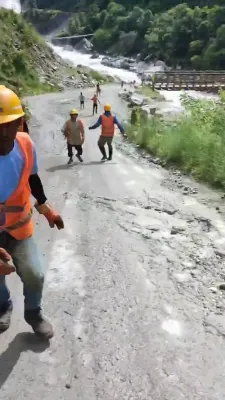
Rescue operations remain extraordinarily difficult given the scale of destruction, with searchers forced to probe through feet of thick sediment by hand in many areas, a slow and painstaking process. Compounding the danger, authorities have warned that a newly formed barrier lake near the disaster zone poses a further flood risk, prompting officials to temporarily pause search efforts as a precaution. Downstream communities have been urged to stay away from riverbanks even on days that appear calm, given the possibility that renewed rainfall or an unstable dam could trigger another surge with little warning. As search and rescue work continues under difficult conditions, both Nepali and U.S. officials have acknowledged that the final toll from the disaster is likely to rise further in the days ahead.