$1.8 BILLION EXPOSED: Treasury Cracks Down on Iran's Shadow Banking Network
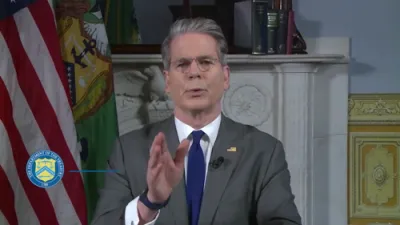
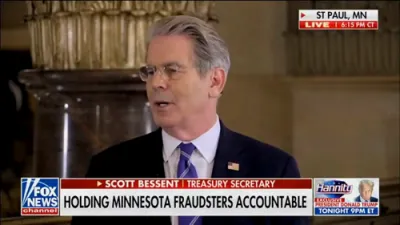
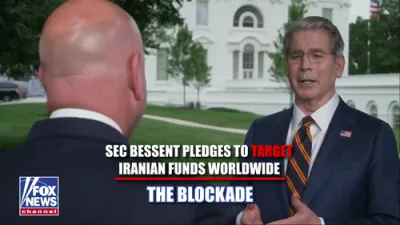
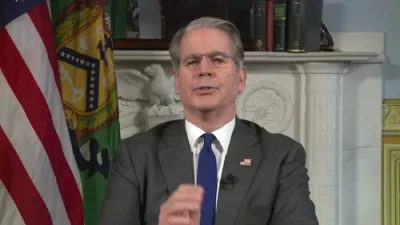
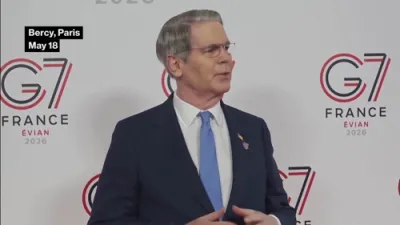
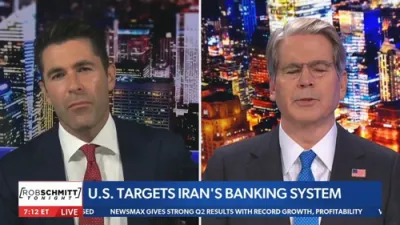
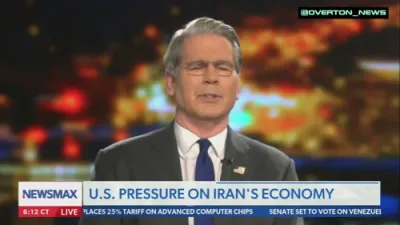
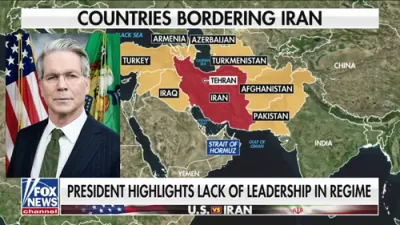
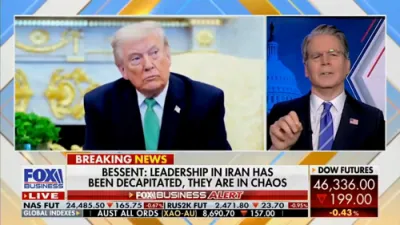
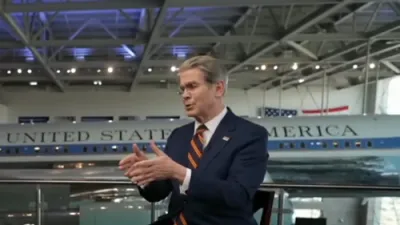
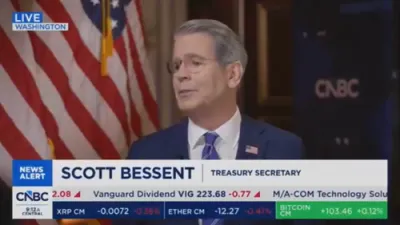
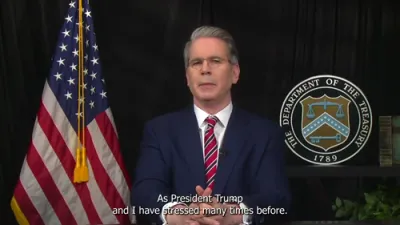
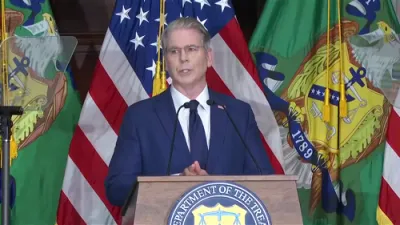
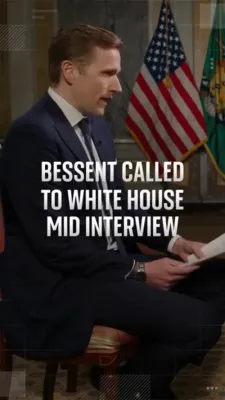
The Trump administration escalated its financial pressure campaign against Iran on Friday, with the Treasury Department proposing to sever U.S. dollar access for the United Arab Emirates branches of Banque Misr, one of Egypt's largest state-owned banks. The move, announced through Treasury's Financial Crimes Enforcement Network, invokes Section 311 of the USA PATRIOT Act, a rarely used tool that allows the government to formally designate a foreign financial institution as a primary money laundering concern. Officials say Banque Misr's five UAE branches processed roughly $1.8 billion in transactions between January 2024 and June 2026 tied to 103 companies believed to be part of Iran's shadow banking network. Treasury Secretary Scott Bessent framed the action as the opening move in a broader campaign, stating plainly that Iran's enablers cannot continue enjoying access to the U.S. dollar and the global financial system.
According to Treasury, some of the front companies operating through the bank's UAE branches were reportedly linked to Iran's Ministry of Defense and the Islamic Revolutionary Guard Corps, allegedly helping evade existing U.S. sanctions and launder funds connected to Iran's leadership. The department said Iran relies on exactly this kind of shadow banking infrastructure to fund weapons procurement and support regional proxy groups. Alongside the Banque Misr action, Treasury's Office of Foreign Assets Control separately sanctioned the manager of Bank Melli's Dubai branch and a Hong Kong-based entity accused of helping launder money for a previously sanctioned Iranian exchange house. Egypt's central bank responded by clarifying that the U.S. action applies only to Banque Misr's UAE branches, and does not extend to its domestic Egyptian operations or other foreign branches in cities like Paris, Frankfurt, and Riyadh.
This action falls under what Bessent has branded Operation Economic Outcast, a new pressure campaign he unveiled earlier in the week aimed at pushing countries still doing business with Iran to sever those financial ties or risk facing consequences from Washington. The proposed rule against Banque Misr UAE marks the first publicly announced target under that initiative, and it comes as the rule now enters a mandatory 30-day public comment period before it can take effect. Notably, the administration has so far avoided targeting Chinese financial institutions directly, even though Bessent has publicly acknowledged that China purchases the vast majority of Iran's oil exports, a decision that has drawn attention given the disparity in how differently allied nations versus rival powers are being treated under the campaign.
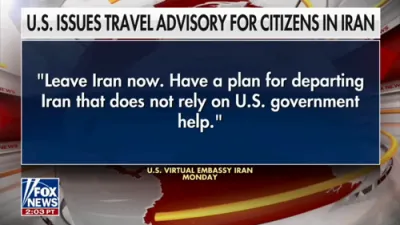
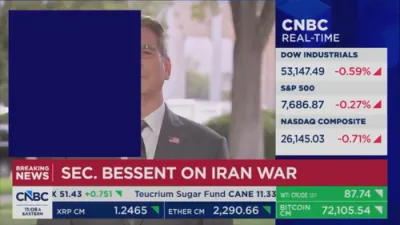
The timing of the sanctions lands roughly six months into a tense military stalemate between the United States and Iran, with the administration increasingly leaning on economic tools rather than military escalation to pressure Tehran. Bessent has vowed that Treasury will do whatever it takes to sever what he describes as every remaining economic lifeline propping up the Iranian regime. Whether this specific action meaningfully disrupts Iran's broader financial network remains to be seen, especially since it targets only a narrow slice of Banque Misr's global operations rather than the bank as a whole. Still, officials are positioning it as a clear signal to other international banks that facilitating Iran-linked transactions, even indirectly, now carries a real risk of losing access to the U.S. financial system entirely.