HORMUZ ON FIRE: Iran Claims Strikes on Six Vessels in Retaliation
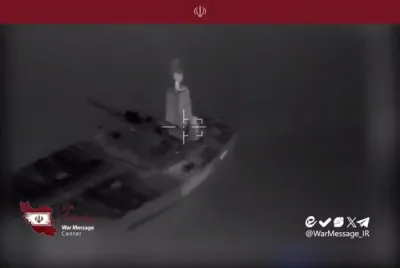
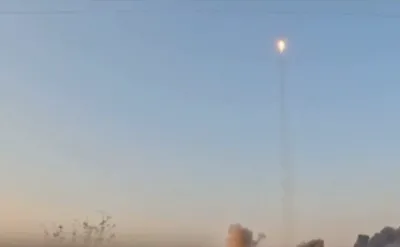
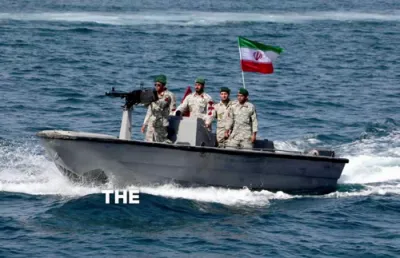
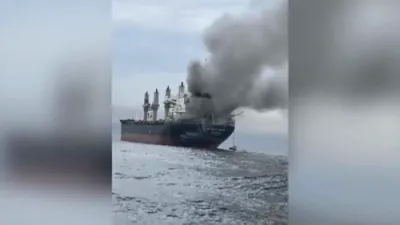
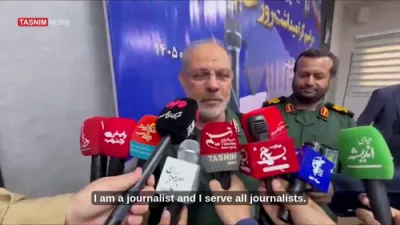
Iran's Islamic Revolutionary Guard Corps says its naval forces struck three oil tankers in the Strait of Hormuz and three additional vessels linked to the United States elsewhere, in what it described as retaliation for U.S. strikes on Iranian tankers earlier the same day. Footage circulated by Iran's semi-official Tasnim news agency shows repeated strikes on cargo ships and tankers, which Iranian officials framed as vessels traveling through routes Tehran has not authorized. In a statement carried on Iranian state media, the IRGC Navy warned all ships in the Gulf and near the strait not to be "deceived" by the U.S. military and cautioned against any "suspicious movement" toward unauthorized waterways, adding that any vessel that did so would be targeted. U.S. Central Command has not confirmed the Iranian claims of these particular strikes.
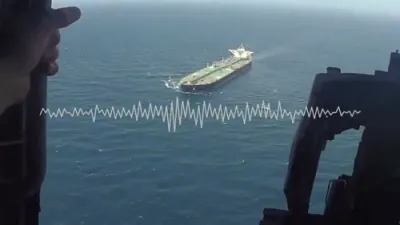
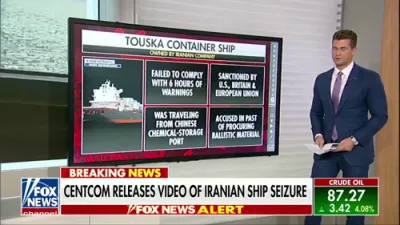
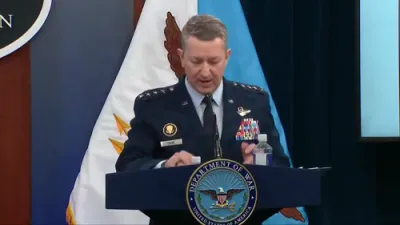
The exchange came after U.S. forces struck three Iranian oil tankers earlier that day, according to CENTCOM, marking what officials described as the first time the U.S. military has retaliated against Iranian tankers specifically in response to Iranian attacks on shipping in the strait, rather than to preemptively stop a blockade violation. A U.S. official said the strikes were part of a new "tanker for tanker" policy approved by President Trump, intended to deter further Iranian attacks on vessels moving through the waterway. According to CENTCOM, U.S. forces permanently disabled two Iranian tankers, including one near Kharg Island and another near Jask, while a third unladen tanker was also targeted outside the Persian Gulf. Audio reviewed by CNN captured a U.S. military aircraft warning the crew of one tanker, the Stark 1, to evacuate before the strike, giving them ten minutes to clear the vessel.
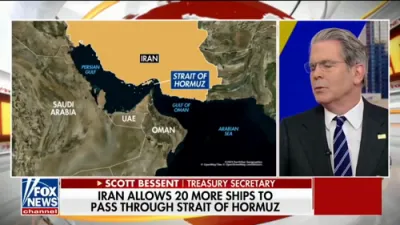
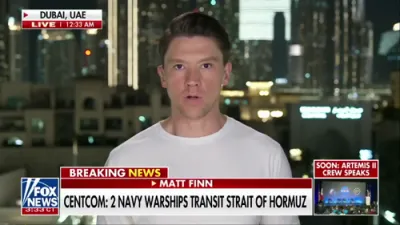
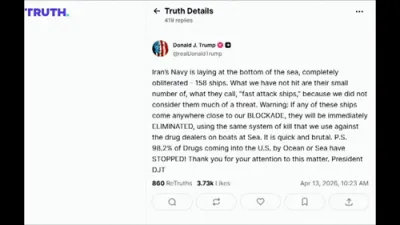
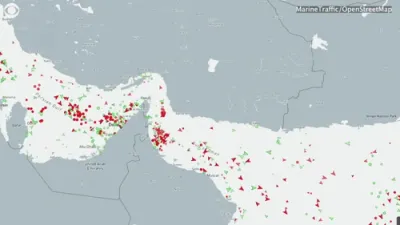
This cycle of strikes and counter-strikes is unfolding against the backdrop of a broader, ongoing conflict between the U.S. and Iran over control of the Strait of Hormuz, a waterway critical to global oil transit. Since restricting passage for vessels linked to the United States or Israel following earlier U.S.-Israeli strikes on Iran in late February, Tehran has repeatedly targeted ships it deems in violation of its rules, while U.S. forces have enforced a naval blockade targeting vessels tied to Iranian ports. A spokesperson for Iran's joint military command has warned that future strikes on U.S. military vessels would be even more severe if American forces continue interfering with Iranian shipping, signaling that this exchange is unlikely to be the last.
It is worth noting that the specific claims of Iranian strikes on six vessels come from Iranian state and semi-official media, and have not been independently verified by U.S. officials or neutral third parties. Both sides have consistently released competing, unconfirmed claims throughout this conflict, often within hours of each other, making it difficult to establish a fully independent account of the day's events. What is clear is that the shipping war in and around the Strait of Hormuz continues to intensify, with both nations trading strikes in a rapidly escalating cycle that shows little sign of slowing down. Given the strait's role in global oil transport, further disruptions here carry consequences well beyond the immediate region.