THE LAST BARRELS: Bessent Claims Iran's Oil Lifeline Nearly Gone
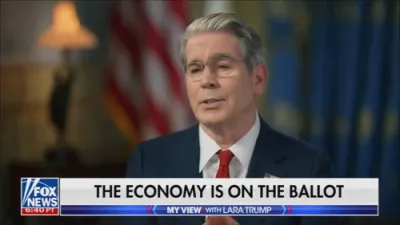
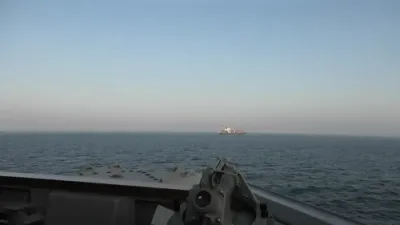
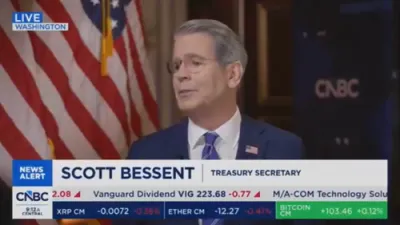
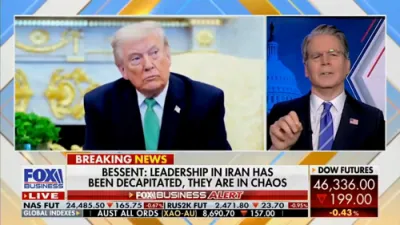
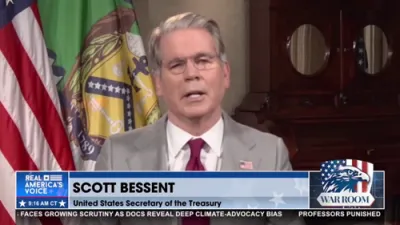
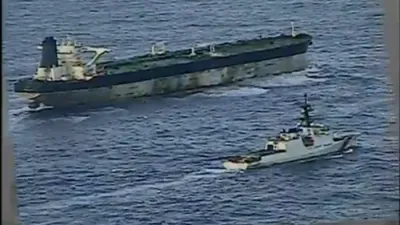
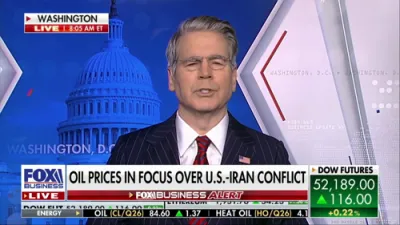
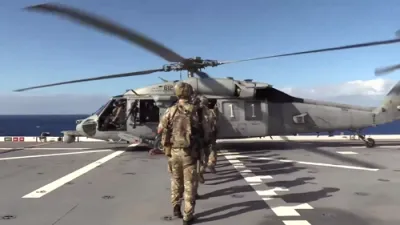
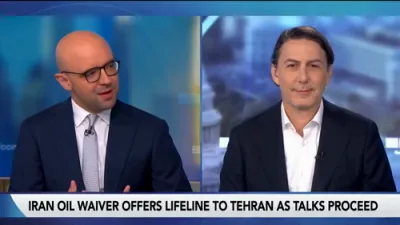
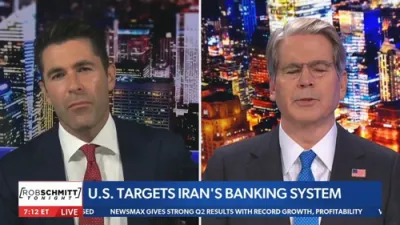
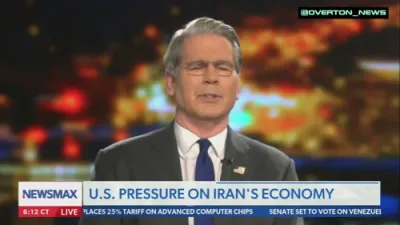
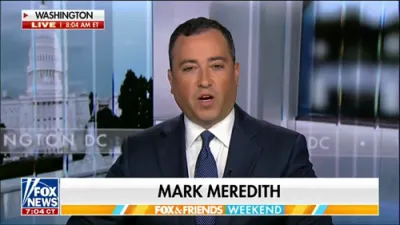
Treasury Secretary Scott Bessent delivered a striking assessment of Iran's economic position in a Fox News interview, claiming the country has only about 30 million barrels of crude oil left that China has not already purchased. Bessent said the ongoing U.S. naval blockade has prevented Iranian oil from moving through the Strait of Hormuz, meaning that remaining supply cannot be replenished and will likely run out soon. "There will be no problem with China buying because they have no product," Bessent said, framing the dwindling reserves as proof that the layered pressure campaign against Tehran is succeeding. He described the effort, dubbed "Operation Economic Outcast," as the largest economic isolation campaign in history, adding that the goal is to "asphyxiate" Iran's ruling government.
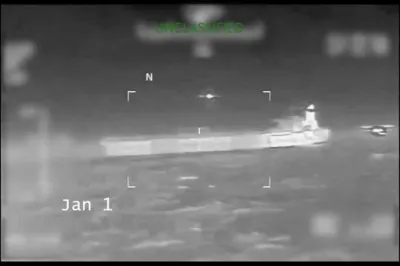
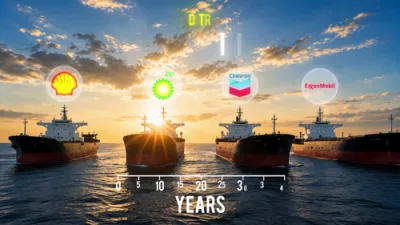
The numbers behind Bessent's claim reflect a steep decline in Iran's oil trade with its largest customer. Chinese imports of Iranian crude fell to an estimated 534,000 barrels per day in August, down sharply from a peak of roughly 1.58 million barrels per day earlier in the year, a drop of about 66 percent. Analysts have noted that new Iranian tanker loadings are being physically deterred by the blockade, meaning the 30 million barrels already at sea may represent the last significant batch of Iranian crude available for the foreseeable future. Some estimates suggest Iran may have slightly more oil in floating storage than Bessent's figure, closer to 40 million barrels, but the broader trend of a rapidly shrinking supply is consistent across multiple assessments.
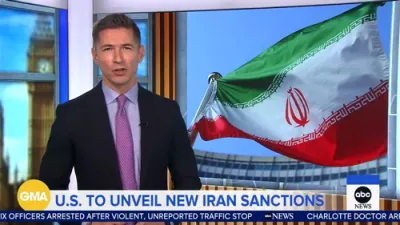
This latest statement builds on weeks of escalating financial pressure from the Treasury Department, which has been actively pursuing sanctions against banks and shipping networks that facilitate Iran's oil trade with China. Bessent has said the U.S. is preparing fresh sanctions targeting banks tied to the Islamic Revolutionary Guard Corps, warning that institutions doing business with the IRGC risk losing access to the U.S. financial system entirely. Earlier this year, Treasury sent formal warning letters to Chinese banks regarding their Iran-linked transactions and sanctioned dozens of companies and vessels accused of helping move Iranian oil to Chinese buyers through front companies and shell networks.
Bessent has repeatedly characterized the campaign as a combination of physical and financial pressure, one that Iranian officials themselves have acknowledged is having an effect, with the regime's own leadership recently admitting that fuel imports have been disrupted. Whether this economic squeeze translates into a change in Iran's nuclear or regional posture remains an open question, and Chinese officials have pushed back sharply against the pressure campaign, warning that they will act to protect their own economic interests. For now, though, Bessent's framing suggests Washington believes time and geography are working against Tehran, with a finite and shrinking pool of oil standing as the clearest evidence of the blockade's impact.