OVERSUPPLY AHEAD: Bessent Sees Crude Crashing Once Conflict Ends
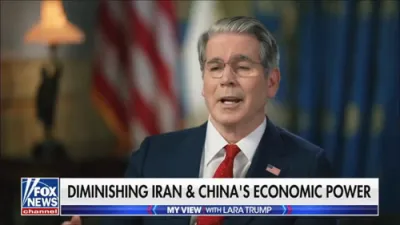
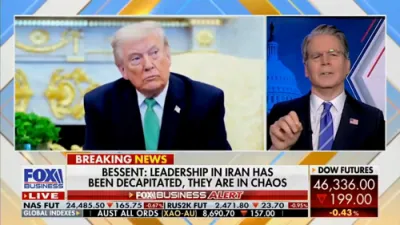
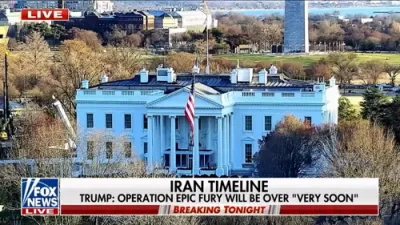
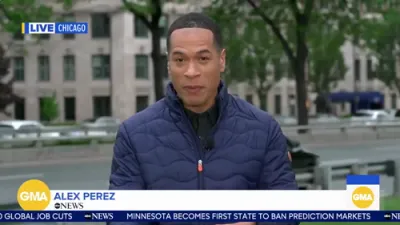
Treasury Secretary Scott Bessent used a Fox News interview with Lara Trump to lay out an optimistic economic message ahead of the 2026 midterms, pointing to rising wages and cooling inflation as signs of underlying strength. "As I said, wages are up, core inflation is very close to the Fed's 2 percent target, and we have an energy supply shock, and that is going to end," Bessent said. He argued that the current spike in energy prices, driven largely by the ongoing conflict with Iran, is a temporary disruption rather than a lasting economic problem. Bessent framed the broader economic picture as one of strength being masked by a single, resolvable issue tied to the war.
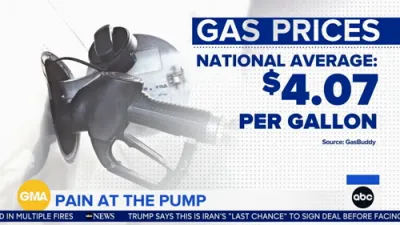
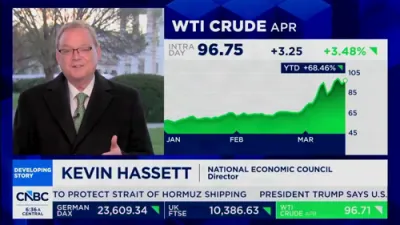
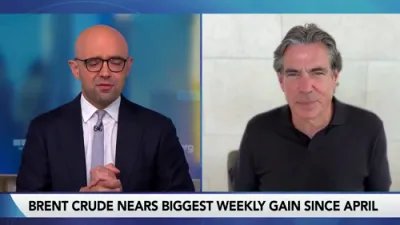
Central to his argument was a bold prediction about where oil prices are headed once the conflict concludes. "I actually think on the other side of this, we're actually gonna, could see oil prices at $40 or $50 dollars, because there is so much supply coming on," Bessent said, adding that the market is currently "constricted" rather than genuinely short on supply. He made a similar forecast just days earlier in a separate interview with Steve Bannon, saying the oil market could become significantly oversupplied once the Strait of Hormuz disruption lifts and new global production comes fully online. At the time of his remarks, Brent crude was trading above $95 a barrel and West Texas Intermediate around $91, among the highest levels since July, driven up by recent U.S.-Iran military strikes.
Bessent's case rests on the idea that new production from sources like Guyana, Brazil, and Canadian oil sands has continued ramping up throughout the conflict, building a supply cushion that would flood the market once the Hormuz-related risk premium disappears. The Treasury has also released authorizations allowing roughly 140 million barrels of Iranian oil held in floating storage to reach the market, a move aimed at capping prices and limiting the inflationary impact of the conflict in the meantime. Bessent did not offer a specific timeline for when the war might end, and some energy analysts have pushed back on the durability of a $40 price floor, noting that U.S. shale production tends to slow sharply at such low prices rather than sustaining output indefinitely.
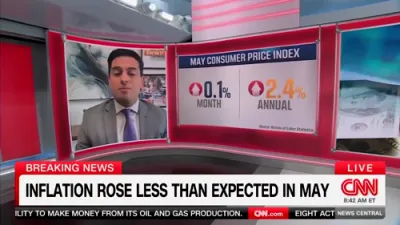
The political stakes behind Bessent's messaging are significant, with inflation and energy costs expected to be central issues in the upcoming midterm elections. Recent data has shown headline inflation running above 4 percent, a figure tied in part to the same energy supply shock Bessent described as temporary, and Treasury yields have climbed to their highest levels in years amid the uncertainty. Whether oil prices actually fall to the $40-to-$50 range Bessent described will depend heavily on how and when the Iran conflict is resolved, a variable that remains unpredictable given the current state of hostilities. For now, his comments represent a bet that economic relief is coming, even as the war itself continues without a clear end in sight.