BLUNT MESSAGE: Bessent Accuses Carney of Prioritizing Politics Over Deal
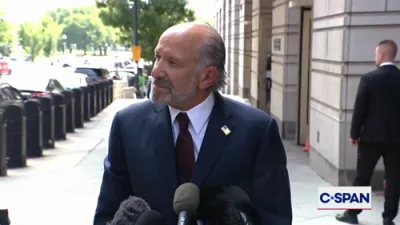
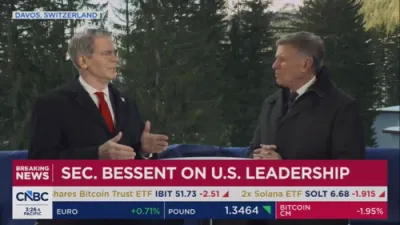
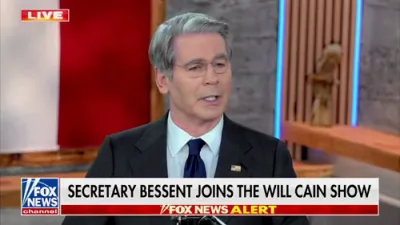
U.S. Treasury Secretary Scott Bessent has delivered a sharp public rebuke of Canadian Prime Minister Mark Carney amid the ongoing trade dispute between the two countries. Bessent has accused Carney of prioritizing politics over practical governance and of turning the negotiations into a political shouting match. In recent comments he suggested that Carney chose to walk away from a potential deal for reasons tied to domestic political advantage rather than the broader interests of Canadian workers and businesses. The criticism underscores how personal and partisan the bilateral tension has become.
Bessent has stated that Canada was offered what he described as the best trade arrangement available to any major partner, only for Carney to abandon it at the last minute. He has argued that the Canadian leader rose to power in part on an anti-American and anti-Trump platform and appears to have returned to that approach. According to the Treasury secretary, Carney is acting in the interest of the Liberal Party and his own political position rather than what is best for the Canadian people. Bessent has predicted that Canadians will eventually see through the strategy.
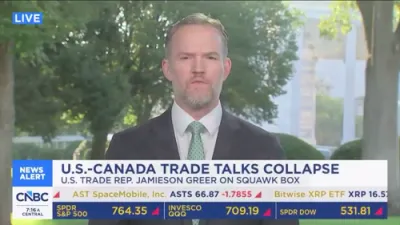
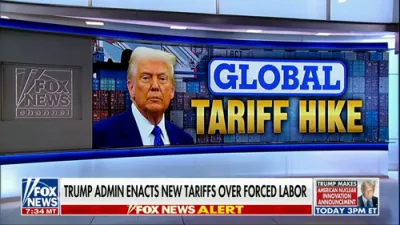
The remarks come after trade talks collapsed in late August 2026, triggering new U.S. tariffs on a wide range of Canadian goods and prompting Canada to announce dollar-for-dollar retaliatory measures. Bessent has dismissed the idea of a sustained tit-for-tat conflict by noting the vast difference in the size of the two economies. He has portrayed the Canadian response as political theater rather than a sustainable economic strategy. The secretary has also suggested that Carney understood the likely consequences of walking away from the table.
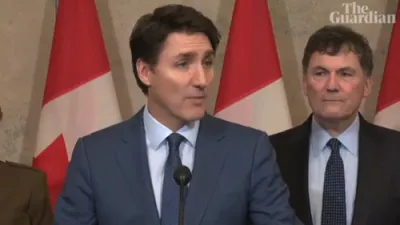
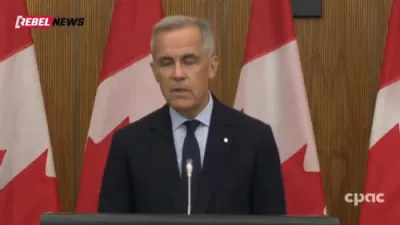
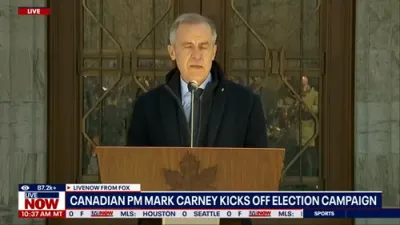
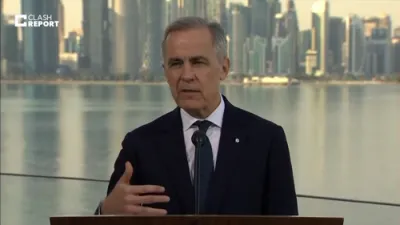
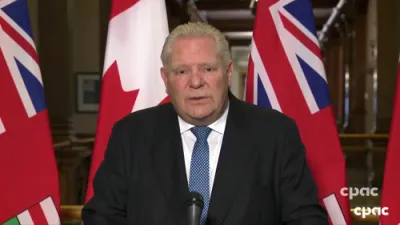
Carney, for his part, has maintained that U.S. demands threatened core Canadian industries and national sovereignty. He has framed his decision to suspend negotiations as a necessary defense of Canadian interests and has repeated earlier warnings about American pressure aimed at creating dependency. The public exchange between the two officials has added a layer of personal antagonism to an already difficult commercial relationship. Both sides continue to signal openness to future talks while simultaneously defending their current tariff positions.
The tone from Washington indicates that the Trump administration views Carney’s public stance as more campaign-oriented than governing-oriented. Bessent’s comments reinforce the message that the United States expects a more pragmatic approach from Ottawa if negotiations are to resume on favorable terms. Canadian officials have rejected the characterization and continue to present their retaliatory tariffs as a measured response to unilateral American actions.
As the tariffs take hold on both sides of the border, the political dimension of the dispute is likely to remain prominent. Bessent’s direct criticism of Carney’s motives keeps the focus on leadership choices rather than purely technical trade issues. Whether the harsh language hardens positions further or eventually creates space for a reset will depend on how both governments manage the economic fallout in the weeks ahead.