MILEI TORCHES UN: Argentine Leader Calls UN World Body Useless Nest of Arrogant Parasites
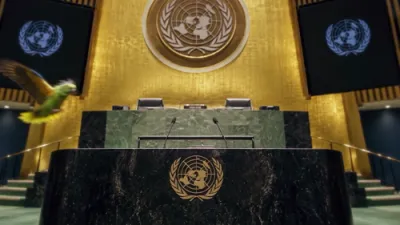
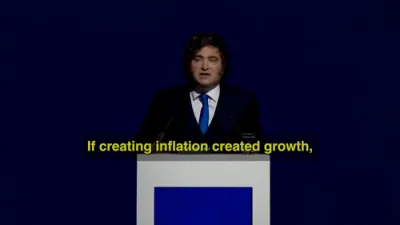
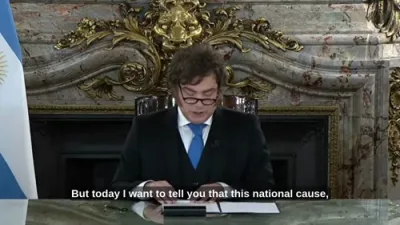
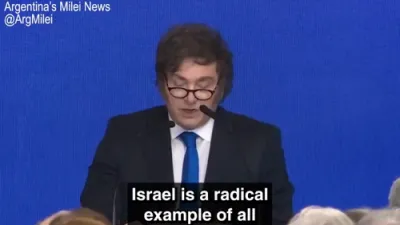
Argentina’s President Javier Milei delivered a blistering address to the United Nations General Assembly, branding the organization a “useless” body sustained by “fatally arrogant parasites masquerading as well-intentioned bureaucrats.” He opened by acknowledging the UN’s founding ideals as noble words about peace and human dignity, then systematically dismantled its record. Milei accused the institution of promoting pandemic lockdowns that he labeled a form of genocide, of sheltering bloodthirsty dictatorships, of consistently voting against Israel while remaining silent on Islamic terrorism, and of advancing a gender agenda, environmental extremism, and unchecked immigration.
The Argentine leader closed his remarks by invoking free-market economist Ludwig von Mises with the line that good people do not seek to control the lives of their fellow human beings. The speech marks another direct confrontation between Milei’s libertarian government and the multilateral system, raising questions about whether other nations will echo his critique or whether the UN will respond to the charges of institutional failure and ideological overreach. Observers are left wondering how this latest public rebuke will affect Argentina’s relations with the world body and the broader debate over the future of global governance.