WAR GOES UNDERGROUND: Ukrainian Troops Ride Mining Carts Through Gas Pipeline Near Kupiansk
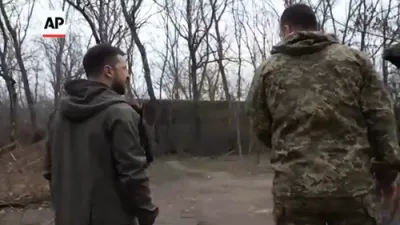
Newly released footage shows Ukrainian soldiers riding small rail-mounted mining carts through a large gas pipeline near Kupiansk in Kharkiv Oblast, lighting their way with headlamps in the dark, cramped space. The pipelines are Soviet-era infrastructure, and since summer 2025 Russian troops have used them, including the Shebelynka–Ostrohozk line running under the Oskil River, to sneak behind Ukrainian lines. In response, Ukraine's 2nd Khartiia Corps announced Operation Veles, saying its troops advanced more than 15 kilometers underground through gas pipes about 1.2 meters wide, with firefights breaking out inside. Another Ukrainian unit, the 425th "Skelya" regiment, also reported spending months fighting in a pipeline in the same area, using small wagons to move gear.
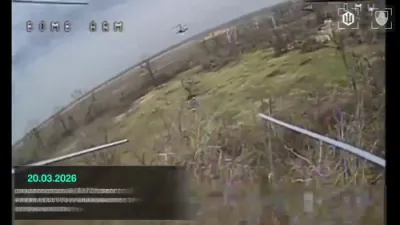
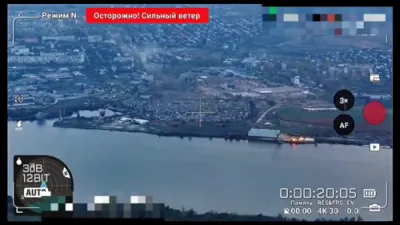
Khartiia says the underground advance was combined with attacks on the surface and drone strikes, and it claims more than 100 Russian casualties and over 30 captured soldiers. Those figures come from the Ukrainian side and have not been independently verified. The corps summed up the shift in a single line: "When the battlefield became transparent, the war went underground." The idea is that drones now make the surface so dangerous that both armies are looking for hidden routes, and pipes built to carry gas have become tunnels for infiltration and logistics. The open questions are whether Ukraine can keep control of these routes, and how Russia will respond underground.