UNUSUAL ELECTION SCENES: Arab and Bedouin Voters Ride Camels and Donkeys to Polling Stations in Southern Israel
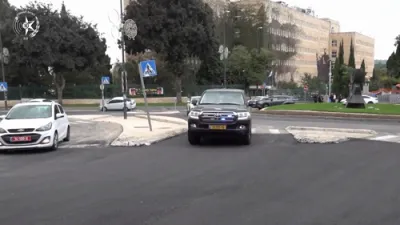
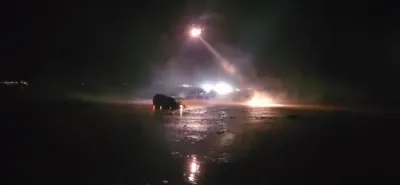
Unusual scenes unfolded in southern Israel on October 27, 2026, as Arab and Bedouin voters were reportedly filmed riding camels and a donkey toward polling stations during the country’s national election. Dashboard-camera footage circulating online showed the voters traveling through the Negev, where traditional forms of transport remain associated with some Bedouin communities. The images offered a striking glimpse of local customs during a high-stakes election in which citizens across Israel were casting ballots to determine the makeup of the 26th Knesset. The scenes also drew attention to the participation of Arab citizens, whose votes could influence the distribution of parliamentary seats and the formation of the next government. Although the footage attracted attention for its unusual visual details, the central event was the voters’ participation in the democratic process.
The reported scenes coincided with a significant mobilization effort in Arab communities, including the Bedouin city of Rahat and villages throughout the Negev. Election-day estimates suggested Arab voter turnout could reach 63% or higher, while some localities reportedly recorded participation levels of around 64% during earlier stages of voting. These figures require confirmation against final official turnout data, but the reported mobilization highlighted the potential importance of Arab voters in a closely contested parliamentary race. Arab political parties have the potential to secure a substantial number of Knesset seats, making their electoral performance relevant to the broader balance of power between competing political blocs. As votes were cast across the country, the scenes in the Negev illustrated how communities with distinct cultural traditions were participating in the same national political process.