GLOBAL ALERT: Governments Worldwide Urge Citizens to Stockpile Supplies as War and Crisis Fears Grow
Governments across Europe, Asia and North America are increasingly urging citizens to prepare for emergencies, with national preparedness campaigns calling on households to maintain supplies of food, water, cash and essential equipment. In the United Kingdom, the government's "Be Ready" guidance recommends keeping enough basic provisions to survive for at least three days, including nine liters of drinking water per person, alongside a battery-powered radio and a flashlight. Japan is also preparing to encourage households to maintain emergency supplies for three days, with a week considered preferable. Similar recommendations have emerged across countries including Germany, France, Sweden, Norway, Finland, Canada and several European Union member states. The growing number of public preparedness initiatives has drawn attention to a broader shift in how governments are approaching national security, civil protection and the possibility of prolonged disruptions.
Every country that has told its people to get ready 👇
🇬🇧 UK – 3 days
🇯🇵 Japan – 3 days to 1 week
🇮🇪 Ireland – booklet mailed to all 2.2M homes
🇱🇺 Luxembourg – 72-hour guide to every household
🇧🇪 Belgium – 72 hours, 4-year national campaign
🇳🇱 Netherlands – 72 hours, booklet to 8.5M homes
🇫🇷 France – 72 hours
🇩🇪 Germany – up to 10 days
🇸🇪 Sweden – 1 week, "If Crisis or War Comes"
🇳🇴 Norway – 1 week
🇨🇭 Switzerland – 1 week + a shelter space for every resident
🇫🇮 Finland – 72 hours
🇩🇰 Denmark – 72 hours
🇵🇱 Poland – 72 hours, war guide
🇨🇿 Czechia – 72-hour guide to every home
🇪🇪🇱🇻🇱🇹 Baltics – national crisis guides
🇦🇹🇭🇷 Austria, Croatia – stockpile advice
🇹🇼 Taiwan – national guide for disaster and invasion
🇨🇦 Canada – 72 hours
🇪🇺 EU – told all its citizens to keep a 72-hour kit
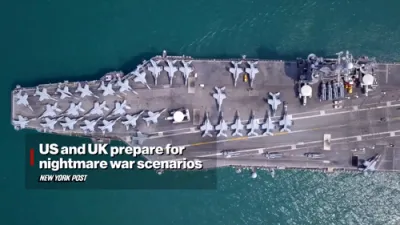
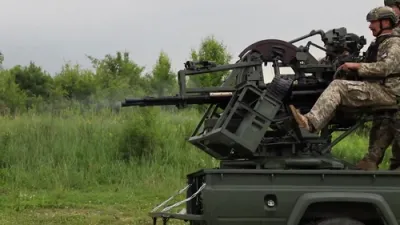
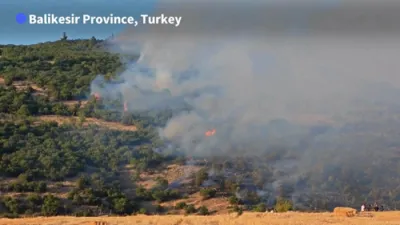
The warnings are unfolding alongside heightened military and cybersecurity concerns, adding another dimension to the renewed emphasis on emergency readiness. A reported Pentagon initiative known as FORTRESS calls for major US military installations to maintain the ability to operate for up to 90 days without relying on outside electricity, water, fuel or communications. Meanwhile, British defense officials have emphasized the urgency of strengthening the country's military readiness amid growing international threats. Across Europe, governments have distributed emergency-preparedness booklets and issued recommendations ranging from 72-hour survival kits to supplies capable of supporting households for up to 10 days. Officials generally frame these measures around multiple potential emergencies, including severe weather, infrastructure failures, cyberattacks and armed conflict, rather than predicting that a particular war or disaster is imminent. Nevertheless, the simultaneous expansion of these campaigns raises an important question: are governments simply learning to prepare their populations for an increasingly unpredictable world, or do they see a level of risk that ordinary citizens should take more seriously?