ECONOMIC VISION: Vice President JD Vance Says He Trusts Fellow Americans To Build The Economy Of The Future
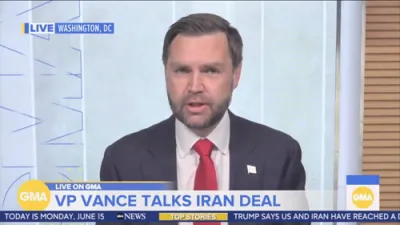
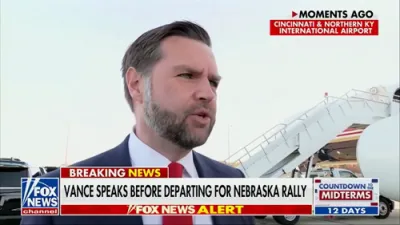
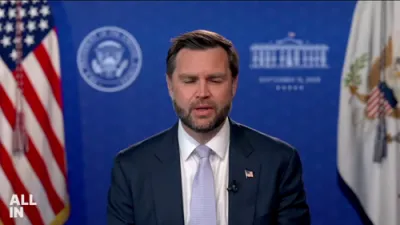
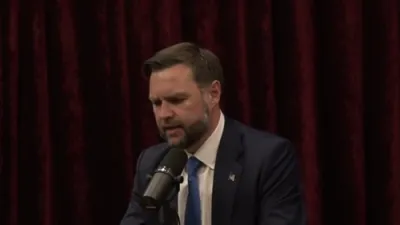
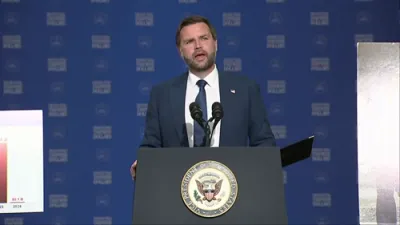
Vice President JD Vance is emphasizing the importance of American workers, entrepreneurs and businesses in shaping the country’s economic future, saying he would rather rely on fellow Americans to drive innovation and growth. Vance made the remarks during a speech kicking off National Veterans Small Business Week, which runs November 9–13, 2026. “I don’t know about you, but I’d much rather rely on my fellow citizens to build and make and create the economy of the future, because I know that my fellow citizens are going to be there,” Vance said. His message placed American workers and domestic businesses at the center of the administration’s broader economic vision. The remarks were shared by the Trump War Room account, bringing renewed attention to the administration’s emphasis on domestic production, entrepreneurship and economic independence. Vance’s comments also highlighted the role that small businesses can play in expanding opportunities and strengthening the country’s industrial base.
National Veterans Small Business Week recognizes veteran entrepreneurs and the businesses they establish, while drawing attention to their contributions to employment, manufacturing and local economies. Vance’s remarks connect that focus with the administration’s stated preference for strengthening American production and reducing reliance on overseas supply chains. The vice president has repeatedly promoted policies centered on domestic job creation and opportunities for American workers and businesses. Veteran-owned companies are part of that economic landscape, operating across industries ranging from manufacturing and construction to technology and professional services. The administration’s message is that investment in American talent and enterprise should help shape the industries and technologies that will define the coming decades. Whether that approach produces lasting gains will depend on factors including business investment, workforce development, access to capital and the competitiveness of U.S. industries.