CUTTING THE FUEL LINE: SOUTHCOM Strikes Again Against Ecuadorian Cartel
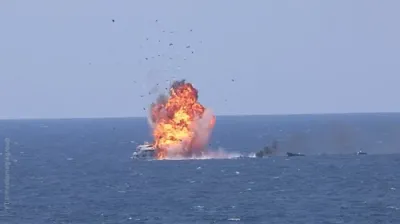
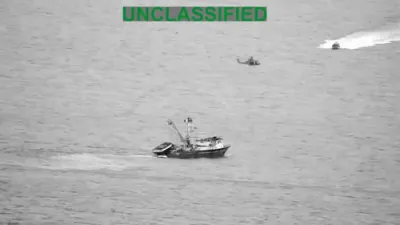
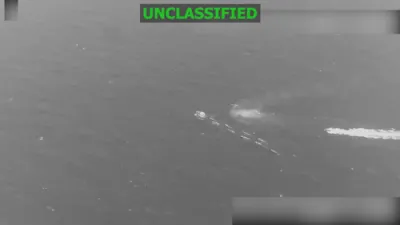
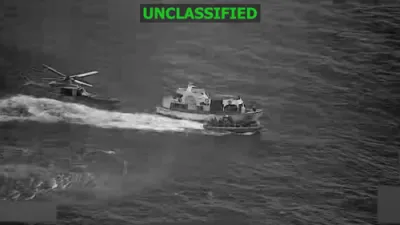
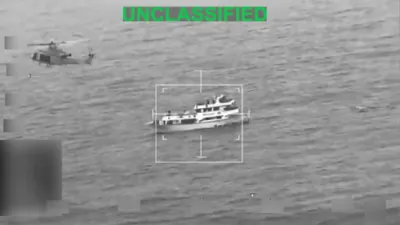
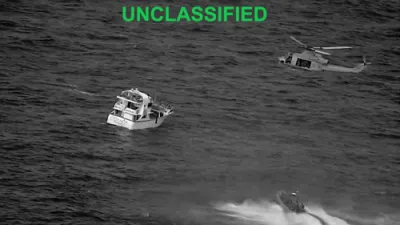
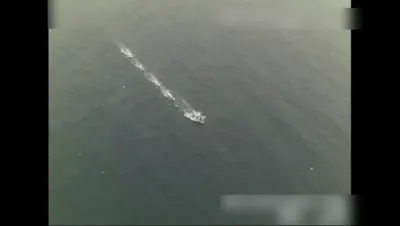
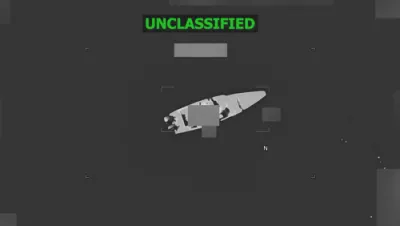
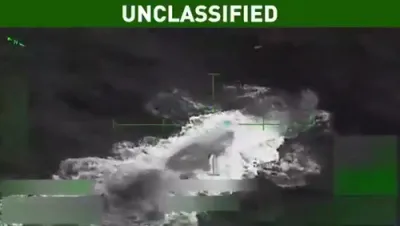
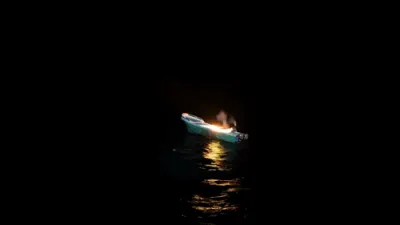
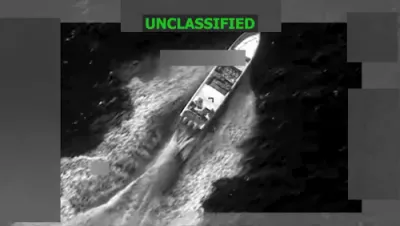
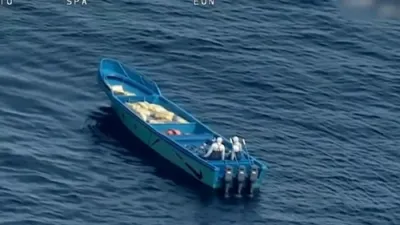
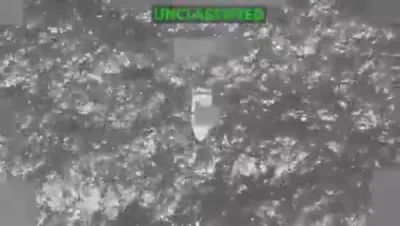
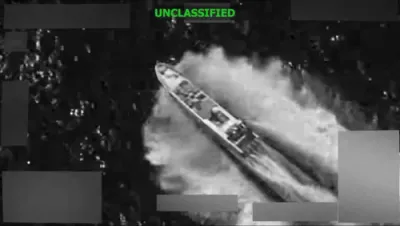
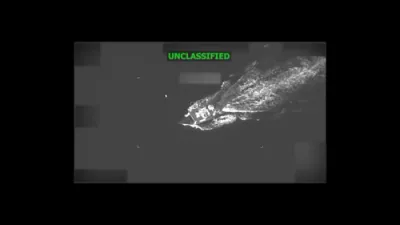
For the third time in less than two weeks, U.S. forces have struck directly at the maritime lifeline of one of Ecuador's most notorious criminal organizations. On September 5, acting under the direction of U.S. Southern Command, Joint Task Force Western Hemisphere successfully interdicted a multi-vessel floating refueling station operating in support of illicit drug trafficking in the Eastern Pacific. Intelligence confirmed the vessels were tied to Los Choneros, a violent narco-terrorist organization based out of Ecuador's Manabí Province that has become a central target of Washington's expanding maritime campaign against Latin American drug cartels. Unlike the single-vessel interdictions carried out earlier in the month, this operation targeted an entire floating support network rather than one isolated refueling ship, suggesting traffickers may be adapting their logistics in response to mounting pressure.
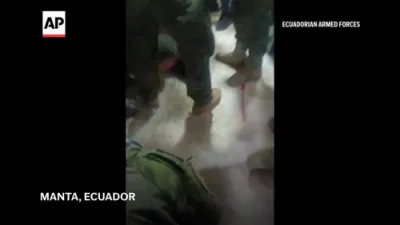
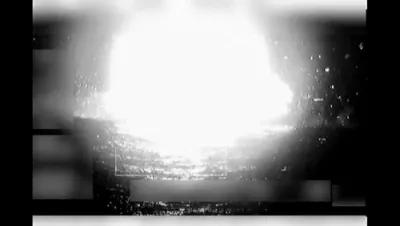
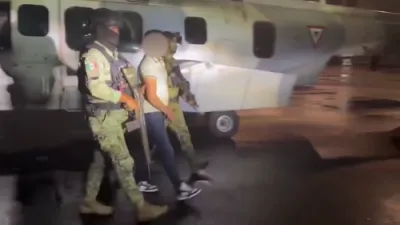
The operation followed a now-familiar playbook that SOUTHCOM has refined over the past year of increasingly aggressive at-sea enforcement. Individuals aboard the main vessel were removed and safely transferred to Ecuadorian authorities, reflecting the close coordination between U.S. forces and the Ecuadorian government that has characterized this entire campaign. Once the vessel was cleared and its crew disembarked, U.S. forces sank both the main ship and its attached support vessels, permanently eliminating the equipment rather than simply seizing it. JTF-WHEM emphasized that its forces conducted the operation with precision and professionalism, language that has become standard in SOUTHCOM's public statements as it seeks to frame these interdictions as surgical strikes against criminal infrastructure rather than indiscriminate military action.
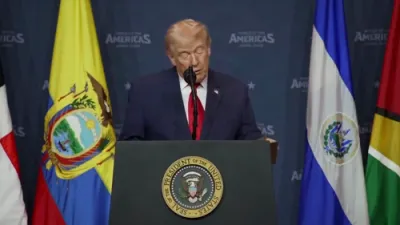
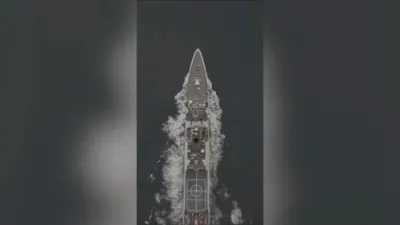
This latest strike is far from an isolated incident. It follows two nearly identical operations against Los Choneros refueling vessels on September 2 and September 3, both launched from the USS San Antonio and carried out in the same general operational area of the Eastern Pacific, suggesting sustained, targeted pressure on a specific logistics corridor rather than a one-off raid. JTF-WHEM itself was only activated on August 3, 2026, as the operational arm of the broader Americas Counter Cartel Coalition, an initiative built specifically to dismantle narco-terrorist networks across the Western Hemisphere. Los Choneros has proven a resilient target despite the earlier capture of its top leadership, continuing to maintain active maritime supply routes even as U.S. pressure has intensified throughout the summer.
The cumulative toll of this broader campaign paints a picture of just how aggressive this enforcement posture has become. Over the past year, SOUTHCOM's anti-narcotics operations across the Pacific have resulted in at least 227 fatalities and the destruction of 68 vessels, contributing to what officials describe as a nearly 50 percent reduction in drug trafficking through the region. The State Department formally designated Los Choneros a Foreign Terrorist Organization back in September 2025, a designation that has provided the legal and political framework for treating cartel logistics networks, refueling stations included, as legitimate military targets rather than purely a law enforcement matter. As this latest sinking demonstrates, that shift from passive surveillance to active, repeated interdiction shows no signs of slowing down, leaving open the question of how quickly, or whether, Los Choneros and similar organizations can rebuild their maritime supply chains under such sustained pressure.