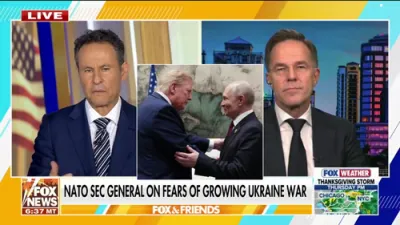
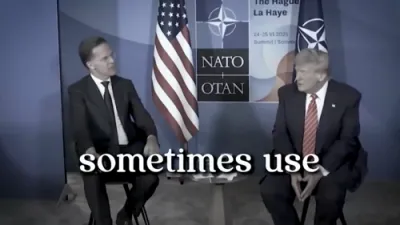
RUTTE DEFENDS TRUMP'S PUTIN APPROACH: NATO Chief Says President Is Testing Russia and Applying Maximum Pressure
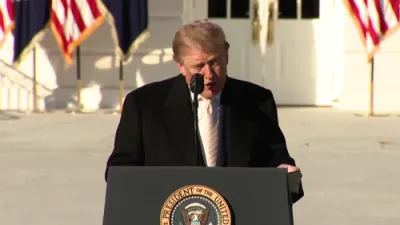
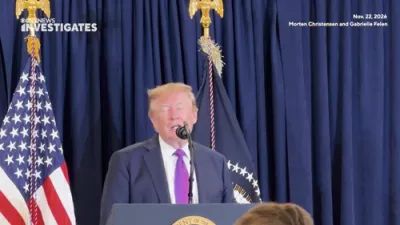
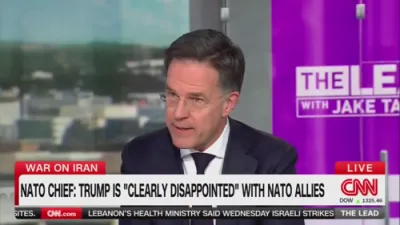
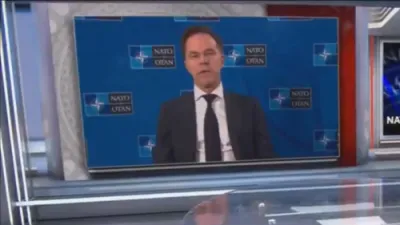
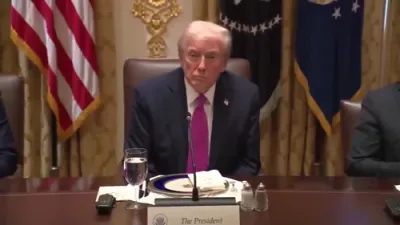
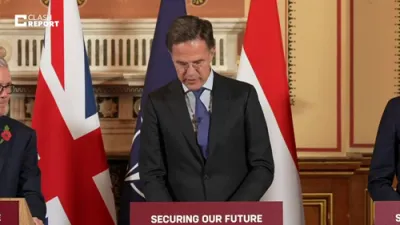
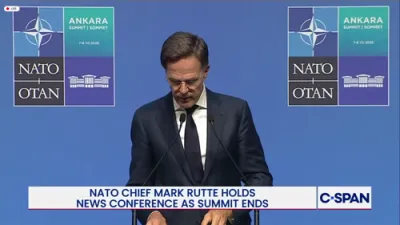
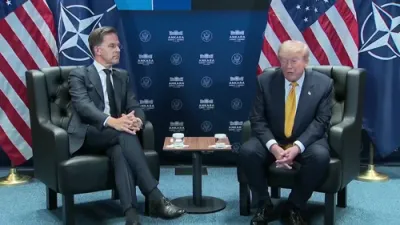
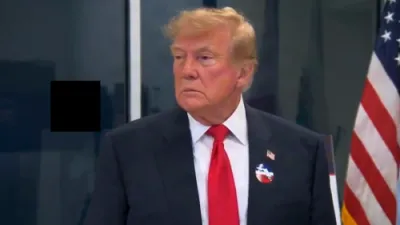
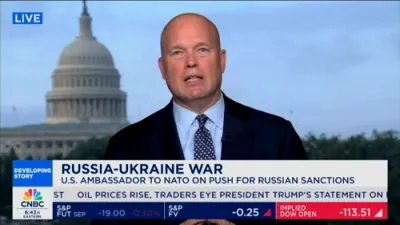
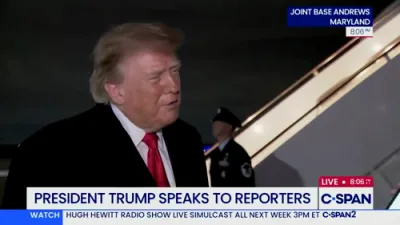
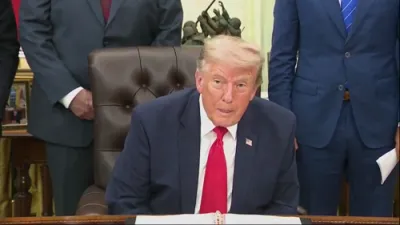
NATO Secretary General Mark Rutte has defended President Donald Trump's approach toward Russian President Vladimir Putin, arguing that the administration's diplomatic engagement is part of a broader effort to test Moscow's willingness to end the war in Ukraine. Rutte's remarks came after Trump attracted criticism for referring to Putin as his "friend" during their recent meeting alongside Chinese President Xi Jinping in Shenzhen. When questioned about the president's friendly description of the Russian leader, Rutte emphasized that direct meetings between major nuclear powers are normal and necessary to pursue diplomatic solutions. He also highlighted Trump's efforts to pressure Russia, saying the president has been testing Putin from the beginning while maintaining pressure on Moscow. Rutte's comments reinforce the argument that diplomatic engagement does not necessarily mean abandoning pressure or accepting Russia's demands. Instead, the NATO chief suggested that the real measure of Trump's approach should be whether Putin demonstrates a genuine willingness to negotiate an end to the devastating conflict.
The NATO leader has repeatedly praised Trump's involvement in efforts to secure peace in Ukraine, previously describing the president's work as "Herculean efforts" and saying he could only commend his commitment to ending the war. Rutte has also stressed that Ukraine must continue receiving essential military assistance while diplomatic negotiations remain uncertain. His position reflects NATO's dual approach of supporting Ukraine's defense capabilities while keeping diplomatic channels open with Moscow. Trump's willingness to speak directly with Putin has generated criticism among some European leaders, who fear that negotiations could result in concessions affecting Ukraine's sovereignty or security. However, Rutte has argued that dialogue between world leaders is a normal part of international diplomacy, particularly when nuclear powers are involved. The central question now is whether continued pressure and direct negotiations can produce concrete progress toward ending Russia's war against Ukraine.