THE MISSING TENTS: Egypt Presses Trump to Enforce His Own Gaza Plan
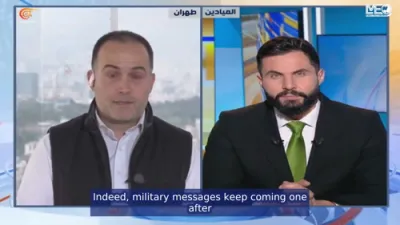
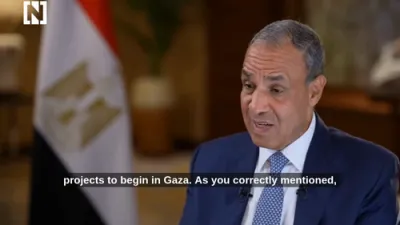
Egyptian Foreign Minister Badr Abdelatty issued a pointed warning about deteriorating conditions in Gaza, accusing Israel of blocking not just large-scale aid deliveries but even the most basic shelter materials needed as winter approaches. He stated plainly that Israeli authorities are not allowing caravans into the territory and are not even permitting tents to enter, a claim that underscores just how far implementation of the ceasefire framework has fallen behind its original terms. According to Abdelatty, people in Gaza cannot be expected to endure such harsh conditions without adequate shelter, framing the blockage as both a humanitarian and logistical failure. His remarks point to a broader pattern in which key provisions of the agreement, including the promised entry of hundreds of aid trucks each day and the start of hospital reconstruction efforts, have yet to be fully realized.
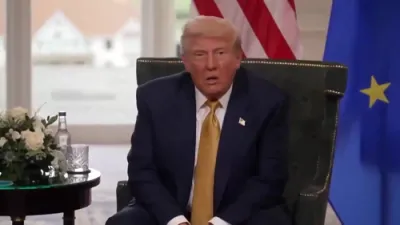
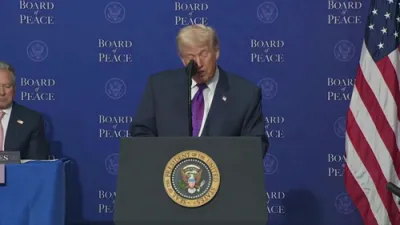
Rather than escalating tensions unilaterally, Abdelatty emphasized that Egypt remains in close contact with American officials, positioning Washington as the party best equipped to push the process forward. He expressed confidence in President Trump specifically, describing him as a man of peace who has delivered results not only in the Middle East but in other regions as well. That framing reflects Egypt's consistent strategy throughout the ceasefire process: publicly praising the American-brokered framework while simultaneously pressing for stronger enforcement of its terms on the ground. Abdelatty referred directly to the "Trump peace plan," signaling that Egypt continues to view the agreement as fundamentally sound, even if its implementation has been inconsistent.
The gap between the plan's stated goals and the reality in Gaza has been a recurring theme in Egyptian diplomatic statements over recent months. Egypt has previously acknowledged that the agreement contains loopholes needing clarification, particularly around governance and security arrangements during the transitional period. At the same time, Egyptian officials have also criticized the use of humanitarian aid as leverage, arguing that basic necessities should never become bargaining chips in a broader political standoff. Abdelatty's latest comments extend that criticism specifically to shelter materials, an urgent concern as colder weather sets in across displacement camps already struggling with flooding and limited infrastructure.
By calling directly for American leadership rather than solely blaming Israel, Abdelatty appears to be threading a careful diplomatic needle, applying pressure without directly confronting Washington or jeopardizing the broader relationship between Cairo and the Trump administration. His comments suggest that Egypt still views the ceasefire framework as salvageable, provided the United States is willing to push harder for full compliance from all parties involved. Whether that pressure will translate into tangible changes on the ground, particularly regarding the entry of caravans, tents, and other shelter materials, remains to be seen. For now, Abdelatty's remarks serve as both an appeal for continued American engagement and a public acknowledgment that, nearly a year into the ceasefire process, significant humanitarian gaps in Gaza remain unresolved.