A FOREVER WAR WARNING: Panetta Says Iran Still Grips the Strait of Hormuz
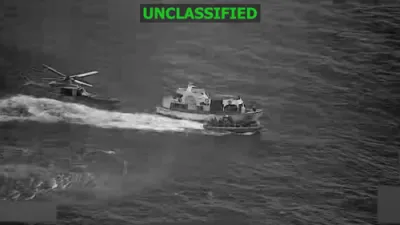
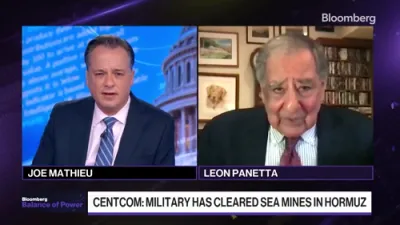
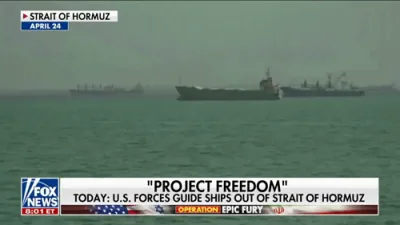
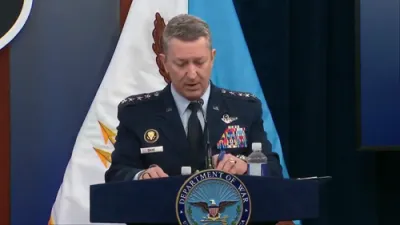
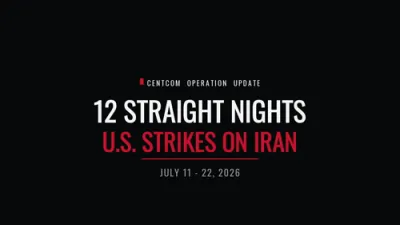
Former U.S. Secretary of Defense Leon Panetta cast doubt on America's progress in its ongoing conflict with Iran, telling Bloomberg TV that Iran continues to control the Strait of Hormuz despite recent U.S. military claims of a breakthrough. Speaking on "Balance of Power," Panetta argued there is no way for the United States to fully take control of the situation as long as Iran retains influence over the narrow waterway, warning that the U.S. risks being trapped in another prolonged, open-ended conflict. His comments came just one day after U.S. Central Command announced that American forces had successfully cleared all Iranian sea mines from internationally recognized transit routes in the strait, a milestone CENTCOM Commander Adm. Brad Cooper described as a major turning point after months of naval operations.
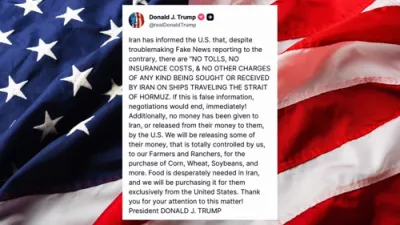
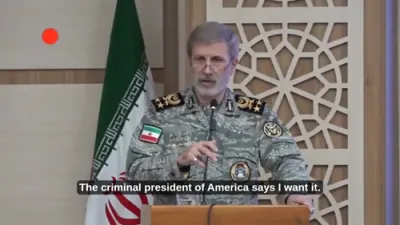
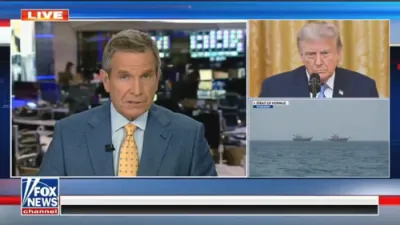
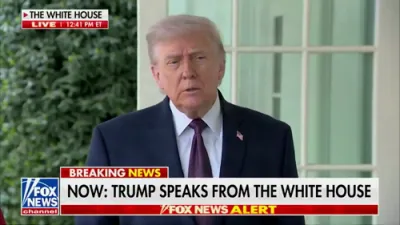
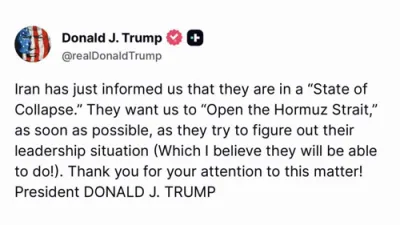
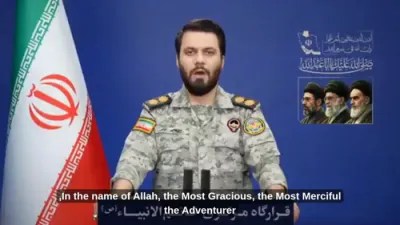
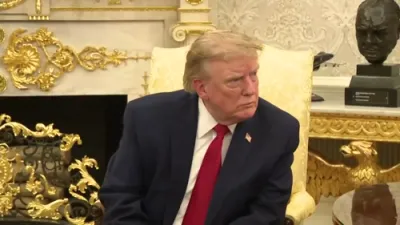
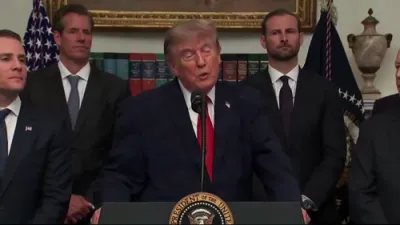
The disagreement highlights a deeper divide over how much progress the U.S. has actually made in restoring free passage through one of the world's most critical oil chokepoints. President Trump declared outright victory on the matter, telling reporters that the strait is now fully open and that Iran has been left with little remaining leverage in the conflict. Iranian officials have flatly rejected that characterization, with an Islamic Revolutionary Guard Corps spokesperson insisting the strait remains closed due to both mines and ongoing military actions, dismissing American claims as propaganda meant to calm nervous energy markets. This clash of narratives comes as the conflict, which began in late February, reaches the six-month mark, with roughly one-fifth of the world's oil supply still funneling through waters where control remains genuinely contested.
Rather than pursuing further direct military escalation, the U.S. appears to be pivoting toward tightening economic pressure on Tehran, an approach reflected in the recently launched Operation Economic Outcast sanctions campaign targeting Iran's financial and shipping networks. Panetta's skepticism suggests that even with sea mines cleared and a naval blockade in place, the underlying strategic problem, Iran's geographic ability to threaten or disrupt shipping through Hormuz whenever it chooses, has not actually been resolved. That reality complicates the Trump administration's push to shift the conflict away from active military operations and toward sanctions-based containment, since lasting economic pressure is far harder to sustain if Iran can still credibly threaten global oil flows at will.
Panetta's warning adds a note of caution to what the administration has framed as a series of recent successes, including the mine-clearing operation and a partial recovery in Persian Gulf oil exports, according to analysts. Whether the strait is truly "open," as Trump insists, or still effectively under Iranian influence, as Panetta and Tehran itself both suggest in different ways, may ultimately be tested not by public statements but by how commercial shipping traffic behaves in the weeks ahead. For now, the gap between declared victory and lived reality in the Strait of Hormuz remains a central unresolved question in a war that shows no clear sign of reaching a definitive end.