CEUTA UNDER SCRUTINY: Spain's PM Sánchez Says Russia, Israel Twisted Court Ruling to Fueling Migrant Crisis
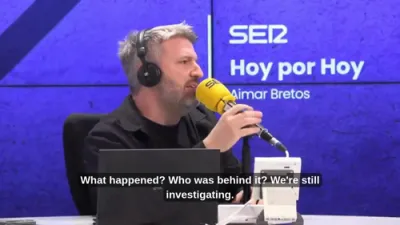
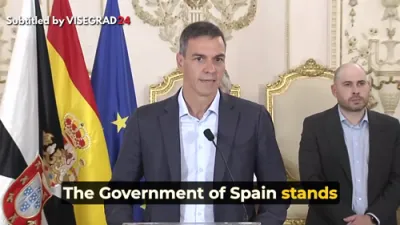
Spanish Prime Minister Pedro Sánchez has pointed the finger at an unlikely trio, Russia, Israel, and international far-right networks, accusing them of spreading disinformation that helped fuel a massive migrant surge into Ceuta in late July. Speaking in an interview with Cadena SER, Sánchez said the campaign twisted the meaning of a Spanish Supreme Court ruling handed down on July 8 to convince migrants that reaching the enclave by sea would guarantee they couldn't be deported. That ruling, he clarified, actually confirmed that Spanish authorities cannot perform immediate "hot returns" of migrants intercepted at sea without first following proper legal procedures, a far narrower finding than what circulated online. According to Sánchez, that distortion was amplified through social media by human traffickers and later picked up by accounts tied to Moscow, Tel Aviv, and far-right movements looking to destabilize Spain and, by extension, the European Union.
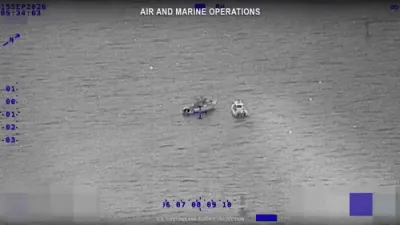
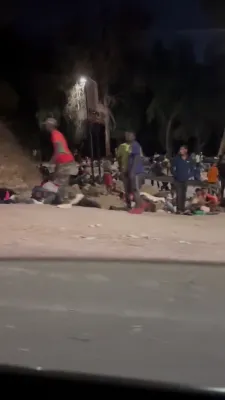
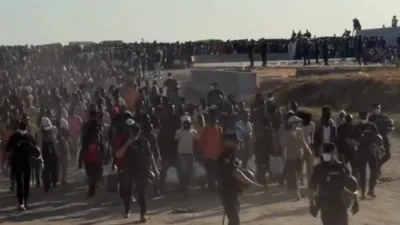
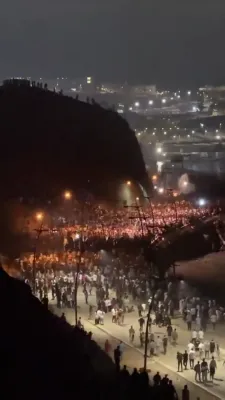
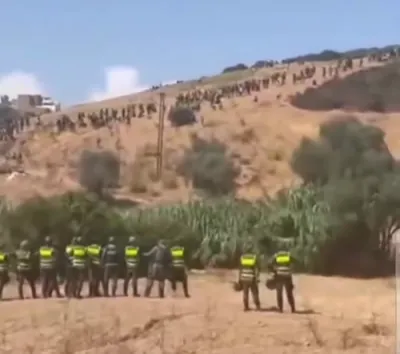
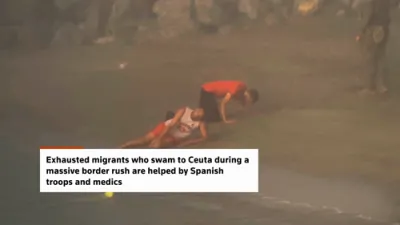
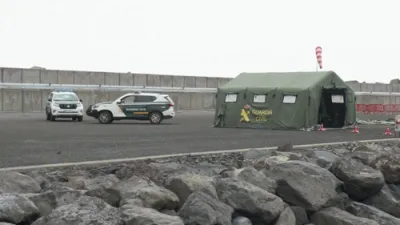
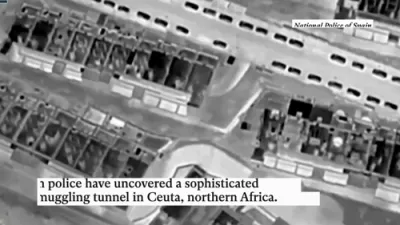
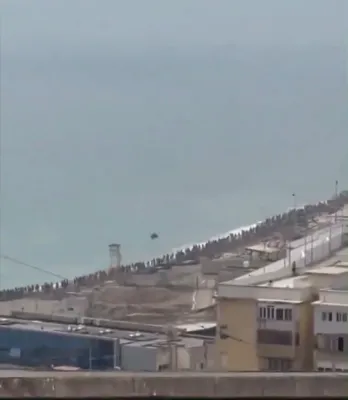
The scale of the crisis that unfolded on July 30 and 31 was staggering by any measure. Spanish officials estimate that somewhere between fifty thousand and eighty thousand migrants attempted to cross from Morocco into Ceuta within a brutal twenty-four-hour window, either by swimming around border barriers or scaling the fences separating the two territories. While most were returned to Morocco within hours, the human cost was severe, with reports suggesting around one hundred migrants died during the chaotic crossing, many by drowning. As of recent reporting, somewhere between three thousand and ten thousand migrants remain stranded in the tiny nineteen-square-kilometer enclave, including an estimated 1,200 unaccompanied minors, according to figures cited by Spanish officials and local leaders.
Sánchez was careful to separate this disinformation narrative from any accusation against Morocco's government directly. He stated plainly that Spanish intelligence and security services found no evidence that Moroccan authorities orchestrated or directly enabled the mass crossing, a notable departure from past incidents where Rabat faced more direct blame from Madrid. Instead, the prime minister framed the crisis as a combination of criminal trafficking networks exploiting a legal technicality and a coordinated online amplification effort designed to weaken confidence in his government and in European institutions more broadly. He tied the alleged disinformation campaign to Spain's existing diplomatic friction with Russia over the war in Ukraine and with Israel over the conflict in the Middle East.
The fallout from the crisis continues to strain Ceuta's small population of roughly eighty-four thousand residents, some of whom have staged increasingly heated protests over the prolonged presence of thousands of migrants in their community. In response, the Spanish government has pledged an additional 168 million euros in support, a sum representing roughly eight percent of the enclave's total GDP, to help stabilize the local economy. Madrid has also requested assistance from Frontex, the European Union's border management agency, to help manage the ongoing situation. As investigations into the true origins of the crisis continue, Sánchez's disinformation claims are likely to remain a point of contention both domestically and among Spain's international partners.