CLOSED-DOOR TALK: Conservative Lawmakers Frame Vance Las Vegas Speech as Win
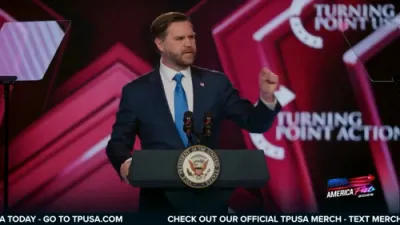
Conservative U.S. lawmakers have offered public reactions to Vice President JD Vance’s appearance at the Republican Jewish Coalition’s 2026 summit in Las Vegas. Representatives David Kustoff of Tennessee, Jim Jordan of Ohio, and Randy Fine of Florida provided comments captured on video against the backdrop of the RJC event. Their statements framed the vice president’s closed-door address in a positive light. The remarks come at a time when some Jewish conservatives have expressed concerns about Vance’s views on Israel policy and certain associations. The lawmakers’ responses emphasize support rather than controversy.
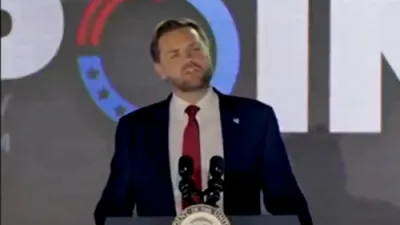
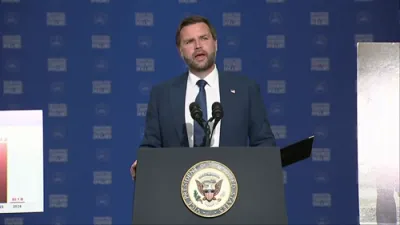
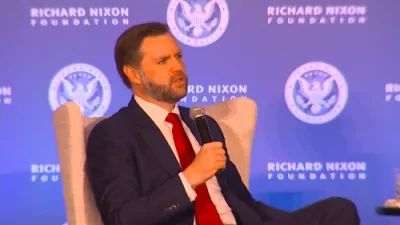
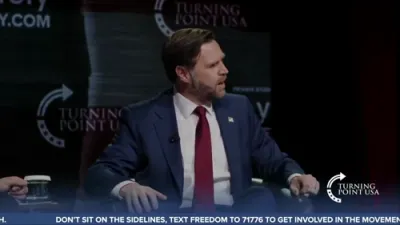
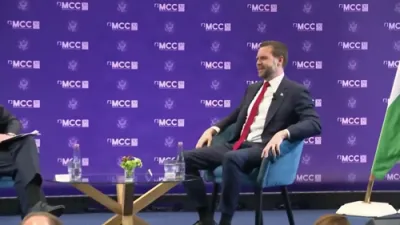
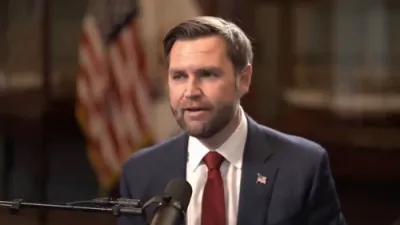
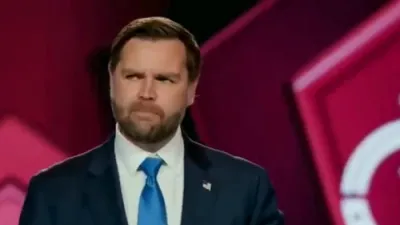
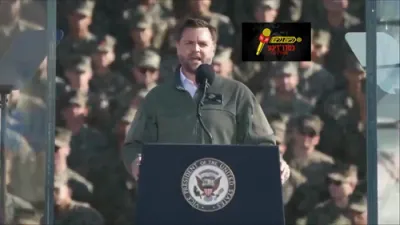
Vance delivered his remarks in a closed-door setting at the high-profile gathering of Republican Jewish leaders and activists. The summit provided a platform for the vice president to engage directly with a key constituency. Video circulating from the event includes the three representatives speaking about the significance of his participation. Their comments focus on the value of the engagement and the broader relationship between the administration and Jewish Republican voters. The overall tone from the featured lawmakers remains constructive and affirming.
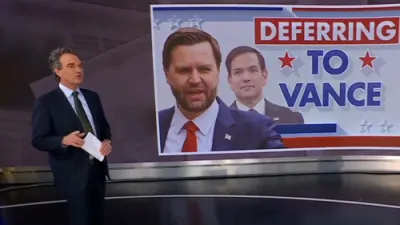
Reported tensions among some Jewish conservatives regarding Vance’s Israel-related positions and associations form part of the backdrop to the appearance. Despite those undercurrents, the Republican figures shown in the video chose to highlight the positive aspects of the speech. Kustoff, Jordan, and Fine each contributed remarks that align with a message of unity and shared priorities. Their presence and statements at the RJC summit serve to project confidence in the vice president’s outreach. The contrast between private concerns and public framing is evident in the coverage of the event.
The Republican Jewish Coalition’s 2026 summit in Las Vegas drew significant attention as a venue for discussing policy and political strategy. Vance’s decision to address the group, even in a closed-door format, signals an effort to maintain and strengthen ties with this voting bloc. The lawmakers’ reactions reinforce that effort by publicly endorsing the engagement. Their comments, delivered on site, add immediate political weight to the vice president’s appearance. The video compilation places those reactions squarely within the context of the larger gathering.
For observers of Republican internal dynamics, the combination of reported tensions and outward support illustrates the complexities surrounding Israel policy discussions within the party. The three representatives’ decision to speak favorably helps shape the public narrative around Vance’s participation. By focusing on the constructive elements of the address, they aim to steady any concerns that may exist among attendees or outside audiences. The closed-door nature of the speech itself limits direct public scrutiny of the full content while allowing selected reactions to define the moment.
As the summit concludes, the comments from Kustoff, Jordan, and Fine stand as the most visible congressional response to Vance’s appearance. Their framing presents the event as a successful engagement rather than a source of friction. The broader context of differing views on Israel policy remains part of the conversation, yet the featured lawmakers have chosen a supportive posture. The video record of their reactions will likely continue circulating as evidence of institutional backing within the party. For now, the public message from these conservative voices is one of approval for the vice president’s outreach to the Republican Jewish Coalition.