POWER MEETING: Iran Leader Sits Down With Putin During SCO Anniversary Summit
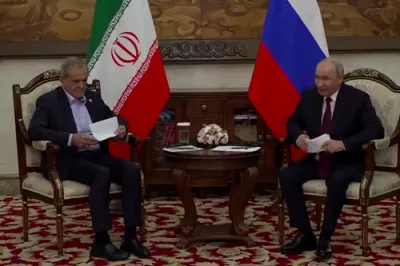
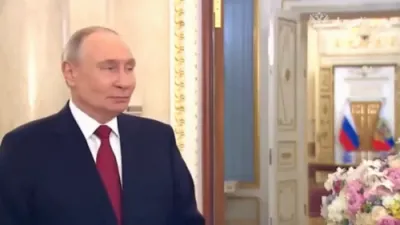
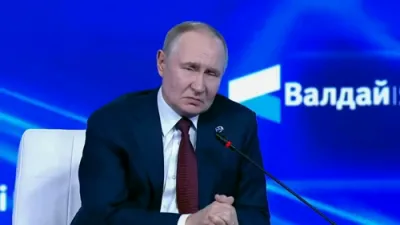
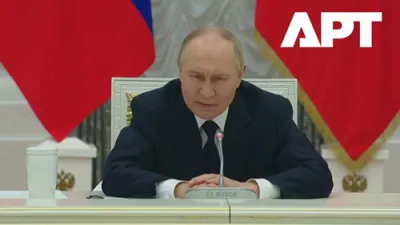
Iranian President Masoud Pezeshkian held a meeting with Russian President Vladimir Putin on the sidelines of the Shanghai Cooperation Organization summit in Bishkek, Kyrgyzstan. The encounter took place during the SCO’s 26th Heads of State Council meeting, an event that also marked the organization’s 25th anniversary. Both leaders used the opportunity to discuss matters of mutual interest while surrounded by other regional heads of state. The setting underscored the growing role of the SCO as a platform for Eurasian coordination. Officials from both countries described the talks as part of their ongoing effort to deepen bilateral relations.
The summit itself produced a formal outcome known as the Bishkek Declaration, which addressed security and cooperation issues among member states. Pezeshkian and Putin’s sideline conversation occurred against this backdrop of collective decision-making. Their discussion reflected the broader agenda of the organization, which continues to focus on regional stability and economic connectivity. The presence of the two presidents together signaled continuity in the partnership between Tehran and Moscow. Observers noted that such meetings have become a regular feature of major multilateral gatherings involving both nations.
Iran and Russia have steadily expanded their cooperation in several key sectors, including defense, energy, and trade. The meeting in Bishkek provided another chance to review progress and explore further opportunities in these areas. Both countries face external pressures that have encouraged closer collaboration on practical projects and strategic alignment. As full members of the SCO, they also share an interest in shaping the group’s approach to Eurasian security and economic integration. The personal engagement between Pezeshkian and Putin helps maintain momentum at the highest political level.
The choice of Bishkek as the host city added symbolic weight to the anniversary summit. Kyrgyzstan’s capital has long served as a neutral and accessible venue for regional diplomacy. Holding the 25th anniversary meeting there allowed participating leaders to reaffirm the organization’s founding principles while adapting them to current challenges. The Iranian and Russian presidents’ decision to meet on the margins demonstrated that bilateral priorities remain active even within larger multilateral settings. Their talks complemented the formal sessions without overshadowing the collective agenda.
For both Tehran and Moscow, the SCO provides a useful framework that reduces reliance on Western-dominated institutions. Membership offers diplomatic space, economic pathways, and a platform for coordinating positions on security matters. The Pezeshkian-Putin meeting fits into this larger pattern of engagement. It also reinforces the message that the two countries intend to keep expanding practical cooperation despite international scrutiny. Energy projects, trade routes, and defense-related coordination remain central to their shared agenda.
In summary, the sideline meeting between President Pezeshkian and President Putin added a notable bilateral dimension to the SCO’s anniversary summit in Bishkek. It highlighted the steady development of Iran-Russia relations across multiple fields while the broader organization advanced its own security and cooperation goals. As Eurasian states continue to navigate complex regional dynamics, such high-level contacts help sustain the partnerships that underpin the SCO’s relevance. The encounter leaves both sides positioned to pursue further collaboration in the months ahead.