DEADLY METAPHOR: Bessent Declares Iranian Regime a Snake Whose Head Is Buried
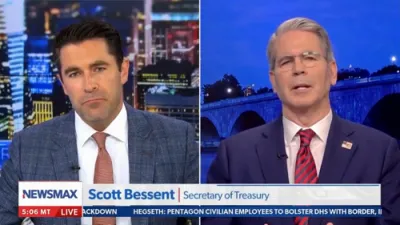
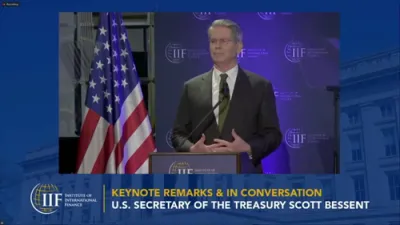
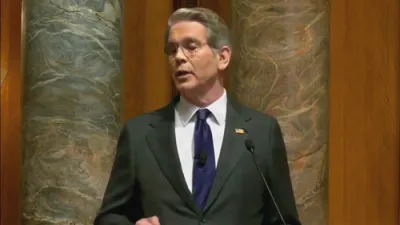
Treasury Secretary Scott Bessent has delivered one of the starkest assessments yet of the Iranian regime, using a vivid childhood memory to illustrate his view of its current condition. Speaking recently, Bessent compared the situation in Iran to the poison snakes that occasionally appeared in the yard of his South Carolina home when he was a boy. He recalled that even after the head of such a snake was cut off, the tail would continue to wiggle for a time. The only way to finish the job, he said, was to bury the head so the creature could no longer pose a threat.
Bessent applied the same image directly to Tehran’s leadership. “We are burying the head of the Iranian snake,” he stated. He added that the snake does not yet realize it is dead, but that the wiggling will cease once the sun goes down. The metaphor was meant to convey that decisive pressure has already been applied and that the regime’s ability to function as it once did is steadily disappearing. In Bessent’s telling, the process is irreversible even if outward signs of activity remain for a while longer.
The secretary went further, declaring that the Iranian regime is already “demised.” He expressed confidence that its leaders will eventually recognize the reality of their position. The language left little room for ambiguity about his assessment of the government’s long-term prospects. By choosing such a graphic and personal analogy, Bessent sought to make an abstract geopolitical judgment feel concrete and inevitable. The remarks reflect a view that sustained economic and diplomatic pressure has reached a critical stage.
Bessent’s comments arrive amid ongoing efforts by the United States and its partners to constrain Iran’s regional influence and nuclear-related activities. The treasury secretary has long been associated with the use of financial tools to limit the resources available to adversarial governments. His latest statement suggests he believes those tools, combined with other forms of pressure, have already delivered a decisive blow. The snake metaphor serves both as a summary of past actions and as a prediction of what comes next.
The colorful phrasing is likely to resonate with audiences who prefer plain-spoken imagery over carefully hedged diplomatic language. At the same time, it underscores the administration’s willingness to speak in absolute terms about the fate of the Iranian government. Bessent presented the outcome as essentially settled, with only the final recognition by Tehran still pending. Whether the regime’s behavior changes in the near term or continues to show residual activity, the secretary made clear he sees the underlying trajectory as fixed.
In the end, Scott Bessent’s remarks amount to a public declaration that the Iranian leadership’s time as a coherent and capable force is drawing to a close. By invoking the image of a snake whose head has been buried while its body still twitches, he offered a memorable way of describing a process he believes is already well advanced. The statement leaves little doubt about the confidence with which he views the current pressure campaign and the outcome he expects once the remaining motion finally stops.