ICE SHATTERS OVERHEAD: Royal Navy Sub Bursts Through Frozen Arctic
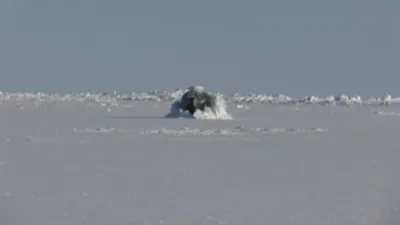
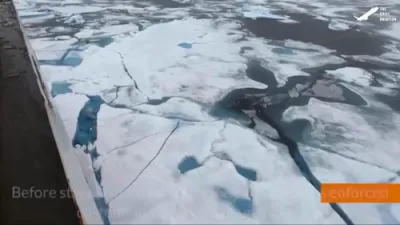
Dramatic footage shows HMS Trenchant, a Royal Navy Trafalgar-class nuclear-powered attack submarine, slowly and forcefully breaking through nearly a meter of thick Arctic ice in the Beaufort Sea, sending chunks of frozen ocean crashing off its hull as it rises into the open air. The surfacing took place during Ice Exercise, known as ICEX, a biennial US-led drill that brings together allied submarines to sharpen under-ice navigation, test emergency surfacing techniques, and practice warfare skills in one of the most punishing environments on the planet. The exercise also gathers critical scientific data on the Arctic's extreme cold, shifting ice, and unique underwater acoustics, information that is vital for any nation hoping to operate safely beneath the polar ice cap. HMS Trenchant joined American submarines at a temporary ice camp built directly on the frozen ocean, working alongside a joint team of military crews and researchers running the exercise around the clock.
What made the moment especially significant is that it marked the Royal Navy's first submarine surfacing through Arctic ice in more than a decade, a milestone that signaled Britain's return to a demanding capability once central to NATO's Cold War strategy in the region. The Arctic has become an increasingly contested strategic space as melting ice opens new shipping routes and resource access, making the ability to operate silently beneath the ice pack more valuable than ever for NATO members. By rejoining ICEX, the Royal Navy demonstrated that it could still match the skill and endurance required to fight, navigate, and survive in the crushing cold and darkness beneath the polar ice. The successful surfacing was seen as a key step toward eventually sending the Navy's newer Astute-class submarines into the same unforgiving waters in the years ahead.