NO MORE WAITING: Iran Draws Hard Line On Reopening Hormuz
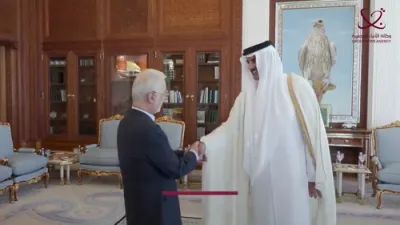
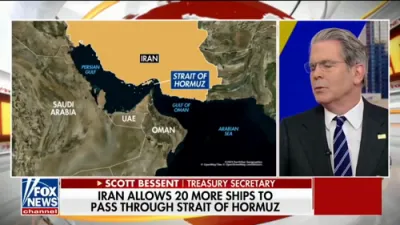
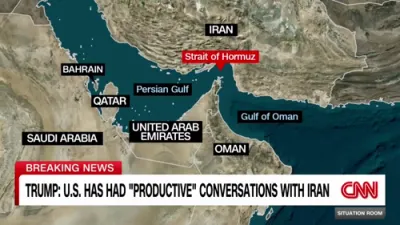
Iran's parliament speaker and chief negotiator Mohammad Bagher Ghalibaf delivered a pointed message to Washington on Sunday, the Strait of Hormuz is not reopening on America's timeline. 'The Americans, who say something different in the media, have recently put forward proposals through an intermediary,' Ghalibaf told lawmakers in Tehran. 'But they must understand that the era of dragging out time and dictating unilateral demands is over. Our position is clear: the Strait of Hormuz will not reopen until our seven conditions under the Islamabad Memorandum are fulfilled.' The comments came just days after the US responded, through Qatari mediators, to a proposal Iran had floated at the UN General Assembly offering to restore normal shipping through the strait within seven days if its terms were accepted.
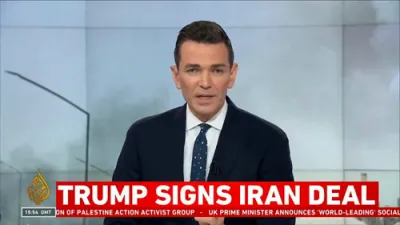
Those seven conditions are no small ask. They reportedly include ending US military action on all fronts, lifting the naval blockade on Iranian ports, unfreezing Iran's seized assets, easing sanctions on its oil exports, and halting what Tehran calls economic warfare and interference in its internal affairs. The standoff traces back to a June agreement, the Islamabad Memorandum, brokered by Pakistan and signed by Trump and Iranian President Masoud Pezeshkian, which briefly paused the fighting before it collapsed. With the strait largely blocked for more than seven months now, carrying what was once a fifth of the world's oil supply before the war began, Ghalibaf's refusal to blink leaves one of the planet's most critical shipping lanes hostage to a diplomatic deadlock that shows no clear sign of breaking.