BREAKING: “They No Longer Believe the Promises" — Netanyahu Confronted Over Chareidi Frustration in Leaked Phone Call
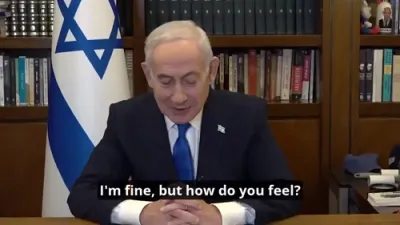
Israeli Prime Minister Benjamin Netanyahu personally called Chareidi radio host Itche Dzlovsky in an urgent attempt to understand the growing frustration within the Chareidi community, only to be told that years of unfulfilled government promises had left many unwilling to trust further assurances.
The conversation, reportedly recorded shortly before polls closed during an election, centers on Netanyahu's efforts to understand why Chareidi voters were reluctant to participate despite the limited time remaining.
“What is going on with the Chareidim?” Netanyahu asks at the beginning of the exchange.
Dzlovsky responds that the frustration runs deep, explaining that repeated promises concerning the protection of the Torah world and the military draft issue have failed to produce the guarantees the community has been seeking.
He emphasizes that Chareidim want assurances that they will be able to continue living according to Torah and mitzvos without their religious way of life being undermined.
As the conversation progresses, Netanyahu repeatedly seeks a clear answer about whether the situation can still be changed.
Dzlovsky explains that the central obstacle is no longer simply the absence of guarantees, but the loss of trust resulting from years of unfulfilled commitments.
With approximately an hour and a half remaining, Netanyahu asks whether anything can be done immediately.
Dzlovsky suggests that direct assurances to Gedolei Yisroel and leading Torah authorities might help address the concerns.
Netanyahu questions how meaningful guarantees could be arranged in such a short period.
Dzlovsky responds that accomplishing in ninety minutes what had not been achieved over four years would be extremely difficult.
The exchange ends with Netanyahu pressing for a final assessment and Dzlovsky indicating that an immediate change is highly unlikely.
The recording offers a striking glimpse into the frustration surrounding longstanding government commitments to the Chareidi community, highlighting how deeply the issue of trust has affected relations between political leaders and those seeking protections for the Torah world.