20-YEAR SUCCESS ENDS: ULA's Vulcan Rocket Suffers First Major Mission Failure in 20 Years, Destroying 40 Amazon Leo Satellites
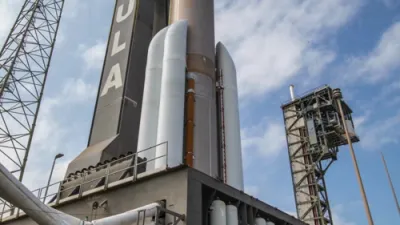
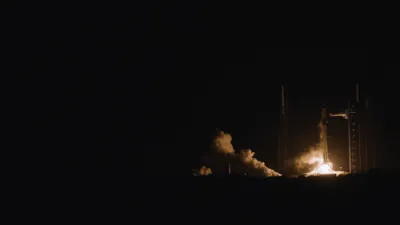
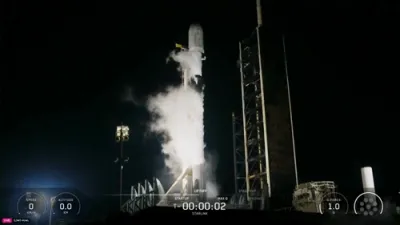
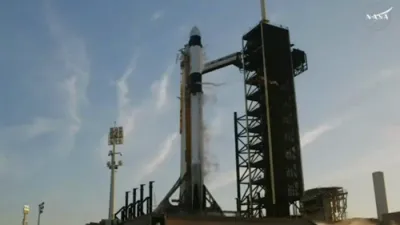
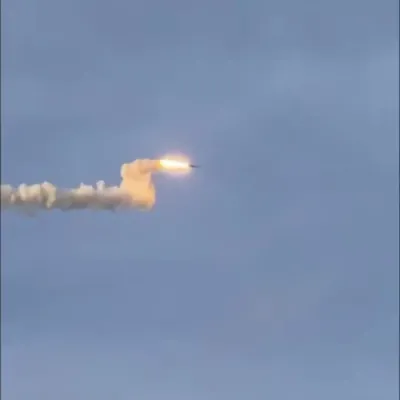
United Launch Alliance's (ULA) Vulcan rocket suffered a major in-flight failure Sunday, November 15, approximately 10 minutes after lifting off from Cape Canaveral Space Force Station in Florida, destroying all 40 Amazon Leo broadband satellites aboard. The rocket launched from Space Launch Complex 41 at approximately 12:40 p.m. Eastern time, initially appearing to perform normally before an anomaly occurred during its journey toward orbit. ULA confirmed that the vehicle failed to deliver its Amazon payload, marking the first outright mission failure in the company's history since its formation in 2006. The incident is particularly significant because it ended nearly two decades of successful ULA launch missions and raises fresh questions about the reliability of its newest heavy-lift rocket. The failed launch was also Vulcan's first flight in nine months, following an extended stand-down to address solid rocket booster nozzle problems identified during earlier missions. Although the solid boosters appeared to perform normally during Sunday's launch, the failure reportedly occurred after the rocket's upper stage took over.The failure represents a significant setback for Amazon's Leo satellite internet program, formerly known as Project Kuiper, which is designed to build a massive low-Earth-orbit network capable of competing with SpaceX's Starlink. All 40 satellites aboard the Vulcan were lost before reaching their intended orbit, delaying another major deployment for Amazon's expanding constellation. The company had planned to rely on multiple launch providers, including ULA, Blue Origin, Arianespace, and SpaceX, to deploy thousands of satellites needed for global broadband coverage. Meanwhile, the exact cause of Sunday's failure remains unknown, with ULA confirming that it will work alongside Amazon and other organizations to investigate the anomaly and determine the necessary corrective measures. Preliminary flight information points to a possible problem during the Centaur upper-stage burn, although investigators have not confirmed the specific component responsible. The setback could also affect ULA's upcoming commercial and national security missions as engineers work to establish what went wrong before Vulcan returns to flight.