די אויסגאבן פון די סיטי פאר היימלאזע - שטייגט
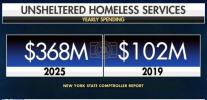
New York City is facing growing backlash after new figures showed the city now spends about $81,700 per unsheltered homeless person, a number that exceeds the city’s median household income of roughly $81,000. State Comptroller Thomas DiNapoli’s report says spending on unsheltered homeless services rose from $102 million in fiscal 2019 to nearly $368 million in fiscal 2025. Over the same period, the unsheltered population increased from 3,588 to 4,504 people, a rise of about 26%, even as spending climbed far faster.
The numbers are fueling anger among voters who see the spending surge as a sign of government inefficiency rather than progress. Critics argue that taxpayers are pouring hundreds of millions into programs that have not delivered a meaningful reduction in street homelessness. The state comptroller’s findings also raised concerns about weak performance tracking and limited outcome-based oversight, making it harder to tell which services are actually working.
The issue has become even more politically charged because the spending comparison is so stark. While public spending per unsheltered person and household income are not directly equivalent measures, the contrast has become a powerful symbol of frustration for many New Yorkers. Fox News coverage of the report amplified that criticism, emphasizing that funding has more than tripled while visible homelessness remains a persistent problem.
Policy analysts note that homelessness in New York is tied to a mix of mental illness, substance abuse, housing shortages, and the city’s long-standing legal shelter obligations. Even so, the report’s central criticism is that rising expenditures have not been matched by clearer accountability or stronger measurable outcomes. That gap is likely to keep this issue at the center of city politics as voters demand proof that record spending is producing real results.
With pressure mounting, the debate is no longer just about how much money the city is spending, but whether officials can justify the strategy at all. For many frustrated residents, the latest figures reinforce a broader belief that New York’s leadership is spending more and getting less. Unless city leaders can show tangible improvements, the political fallout from these numbers is likely to grow.
גאלערי
ווידעאס
