איראנער גלח סטראשעט פראטעסטירער מיט בלוט פארגיסונג ביי א ראלי.
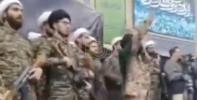
A fiery speech delivered by an armed cleric during a pro-government gathering in Iran has intensified concerns about the regime’s response to the growing wave of protests sweeping the country. In remarks delivered inside a mosque during a rally supporting the ruling authorities, the cleric warned demonstrators that anyone taking to the streets would be treated as an enemy combatant and face lethal consequences.
“If you take to the streets, you will be treated as an Israeli soldier,” the cleric declared. “We have issued an order to spill your blood.” The statement was delivered to a crowd of supporters and reflects a hardline stance increasingly adopted by elements within Iran’s clerical establishment as public anger toward the government continues to grow.
The rhetoric highlights a long-standing tactic used by Iran’s ruling leadership—linking domestic dissent with foreign enemies, particularly Israel, in order to frame internal opposition as a national security threat rather than a political grievance. By portraying protesters as agents of outside forces, the regime attempts to justify harsh crackdowns while rallying loyalists around nationalist and ideological messaging.
The speech comes during a period of heightened unrest across Iran. Demonstrations that began in early 2026 have been fueled by deepening economic hardship, inflation, unemployment, and widespread frustration with government corruption and mismanagement. The situation has been further complicated by rising geopolitical tensions as Iran faces mounting military pressure and international scrutiny amid ongoing confrontations with the United States and Israel.
Hardline clerics have increasingly called for stronger measures to suppress dissent. Some figures within the regime’s religious leadership have publicly advocated for severe punishments against demonstrators, including executions, arguing that protest movements threaten the stability of the Islamic Republic. Such statements have alarmed human rights advocates who warn that they could embolden security forces to respond with greater violence against civilians.
Despite the threats, protests have continued to erupt in several cities, reflecting a deep divide between the government and segments of the population frustrated with decades of political and economic stagnation. Demonstrators have frequently voiced demands for political reform, economic relief, and greater personal freedoms.
Analysts say the intensity of the regime’s rhetoric suggests growing anxiety among Iran’s leadership about the possibility of broader unrest. Historically, Iranian authorities have relied on a combination of security force crackdowns, propaganda campaigns, and ideological messaging to suppress protests. However, repeated demonstrations over the past several years indicate persistent dissatisfaction that has proven difficult to contain.
The cleric’s warning therefore represents more than a moment of inflammatory rhetoric—it underscores the increasingly confrontational relationship between the regime and many of its own citizens. As protests continue and tensions remain high, the government’s willingness to frame internal opposition as an existential threat could shape the trajectory of Iran’s domestic stability in the months ahead.
גאלערי
ווידעאס
