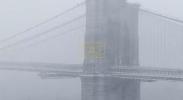

A powerful nor’easter struck New York City on February 23, 2026, delivering over 19 inches of snow and sustained winds up to 80 miles per hour. Central Park recorded 19.7 inches, placing the storm among the city’s top ten snowiest events, according to National Weather Service data. The extreme weather prompted widespread travel bans, school closures, and extensive power outages across the metropolitan area.
Video footage and images captured the dramatic accumulation on iconic locations such as Times Square and the Brooklyn Bridge, revealing both the beauty and severity of the storm. Commuters faced treacherous conditions as streets became impassable, public transit was disrupted, and emergency services worked to clear snow and restore electricity to affected neighborhoods. Officials advised residents to stay indoors and avoid nonessential travel until conditions improved.
The intensity of the nor’easter reflects a combination of heavy precipitation and strong coastal winds, creating hazardous conditions that challenge both city infrastructure and emergency response capabilities. Snow removal crews and utility teams worked around the clock to mitigate the impact, focusing on clearing major roadways and restoring power to thousands of homes and businesses. The storm serves as a reminder of the Northeast’s vulnerability to severe winter weather and the importance of preparedness for high-impact events.
Meteorologists noted that while the city has experienced heavier snowfalls in history, the combination of rapid accumulation, strong gusts, and urban congestion made this storm particularly disruptive. Authorities continue to monitor conditions in surrounding states as the system moves through the region, with advisories in effect for Connecticut, New Jersey, and Pennsylvania. Residents are encouraged to remain vigilant as clean-up operations continue and further travel restrictions may be implemented.
גאלערי
ווידעאס