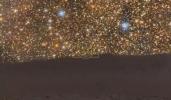
א וויראלע ווידעא פון די קיויריאסיטי ראווער ווייזט די הימל אויף מארס.
גאלערי
ווידעאס
A spectacular video circulating online claims to show the night sky on Mars as captured by NASA’s Curiosity rover, complete with a dense field of colorful stars, glowing nebulae and the rover sitting dramatically on the Martian surface. The footage is visually impressive, but the presentation does not match the documented imagery released by NASA from Curiosity. NASA has captured genuine nighttime and twilight observations from Mars, yet the viral cinematic sequence should not be presented as an authentic 60-second recording from the rover.
Curiosity has, in fact, photographed the Martian sky after sunset, including remarkable observations of Earth and Venus appearing as tiny points of light against the darkening sky. NASA explains that dust in Mars’ atmosphere affects the appearance of the sky, while the rover’s cameras are scientific instruments designed to document the Martian environment rather than produce Hollywood-style astronomical footage. In one real observation, two images were combined to show Earth and Venus from Mars, with the planets appearing as pinpoints rather than the enormous, colorful celestial display shown in the viral video.
The rover has also captured genuinely spectacular twilight clouds, including colorful noctilucent clouds that glow after sunset. NASA reported that Curiosity recorded a 16-minute sequence of these clouds in 2025, with the images revealing red- and green-tinted formations and plumes of carbon-dioxide ice high in the Martian atmosphere. Those authentic observations demonstrate that Mars really can produce extraordinary skies, but they are fundamentally different from a polished video showing an intensely populated starfield and vivid nebulae.
The distinction matters because viral space imagery can easily blur the line between genuine scientific photography, artistic visualization and fabricated or composited footage. NASA’s own Curiosity observations show that the real Martian night sky can contain stars and recognizable celestial objects, but the rover’s documented imagery does not support treating this particular cinematic sequence as an authentic NASA recording. The viral video may look like a breathtaking window onto another planet, but the bigger question is whether viewers are seeing Mars—or an impressive digital creation designed to look like it.
