דראמאטיש אויפרייס און רויעך נאך א וואולקאן אויפרייס אין יאפאן
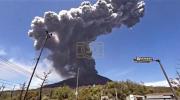
Japan’s Sakurajima volcano has erupted, producing a dramatic explosion that sent a towering ash plume high into the sky over southern Japan. The eruption occurred at the Minamidake crater, one of the volcano’s most active vents. Witnesses and video footage show a dense column of dark ash rising approximately 3,400 meters into otherwise clear skies. The event prompted immediate monitoring by Japanese authorities due to the volcano’s persistent activity.
The eruption is part of ongoing volcanic behavior within the Aira caldera system, where Sakurajima is located. This region is known for frequent eruptions and continuous seismic activity. The explosive nature of the event reflects the volatile magma dynamics beneath the surface. Scientists closely track these patterns to assess potential escalation risks.
Following the eruption, Japan’s meteorological agencies issued a Level 3 alert, warning of possible hazards to nearby communities. Ashfall forecasts were released, along with advisories for transport disruptions and potential flight delays in the region. Residents in surrounding areas were urged to remain cautious, particularly regarding respiratory exposure and reduced visibility conditions. Emergency monitoring systems remain active to track further volcanic activity.
Kagoshima Prefecture, which lies close to the volcano, is no stranger to volcanic impacts due to Sakurajima’s long history of eruptions. The volcano is considered one of the most active in the world, with frequent minor and moderate explosive events. Its proximity to populated areas makes continuous observation essential for public safety. Authorities maintain evacuation readiness plans despite the routine nature of eruptions.
Overall, the latest eruption underscores Japan’s ongoing challenge of managing life alongside active volcanic systems. While no immediate large-scale damage has been reported, ash dispersion and aviation risks remain key concerns. Scientists continue to analyze seismic and gas activity to determine whether further eruptions are likely. Sakurajima’s behavior remains a critical focus of Japan’s disaster preparedness efforts.
גאלערי
ווידעאס
