דער מאן צינדט אן לייט באלבס מיט ערד און איבערגעבליבענע עסן - און עס איז נישט קיין סייענס פיקשען
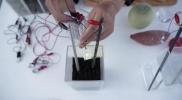
Japanese Inventor Turns Rotting Food Into Real Electricity, Stuns Energy World
Deep in Japan's Ibaraki Prefecture, product designer Satoshi Nakagawa has pulled off something that sounds almost too strange to be true: generating usable electricity straight out of food scraps, soil, compost, and even microplastics. As CEO of Tripod Design, Nakagawa developed what he calls micropower collection technology, a system that taps into tiny electrical currents naturally present in organic and semi-organic materials. Using zinc-copper electrodes submerged directly into decomposing matter, the setup triggers a simple electrochemical reaction not unlike the very first battery ever built, Volta's pile, only this time the fuel source is whatever happens to be rotting nearby.
At two demonstration sites in Ibaraki, known as Ku-An and Lu-An, Nakagawa's team has lined up thousands of individual containers filled with soil and compost, each one quietly generating a steady trickle of current. Combined, the array is powerful enough to light roughly 800 LEDs or produce around 100 watts, enough to run everyday appliances like a rice cooker. Unlike solar panels or wind turbines, the system produces zero carbon emissions and does not depend on sunshine, wind, or favorable weather of any kind, making it a genuinely round-the-clock power source drawn from material that would otherwise be thrown away.
גאלערי
ווידעאס
