די רפיח גרעניץ עפנט זיך צוריק אויף
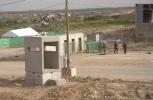
The Israel Defense Forces released new footage detailing enhanced security procedures at the Rafah Border Crossing as it prepares to reopen for limited pedestrian traffic on February 2, 2026, marking the first such access in more than a year. The reopening comes under newly established Israeli security protocols designed to prevent weapons smuggling, militant movement, and exploitation of humanitarian access by Hamas and affiliated terror groups.
Central to the new measures is a fortified military checkpoint known as Regavim, located in IDF-controlled Rafah near the Gaza–Egypt border. According to the IDF, Palestinians entering the Gaza Strip from Egypt will first clear Egyptian border controls before being directed to the Israeli-run checkpoint, where comprehensive identity verification and luggage inspections will be conducted. Only individuals cleared against pre-approved lists will be permitted to proceed into Hamas-controlled areas of the Strip.
The IDF-released footage shows a heavily secured installation featuring concrete blast barriers, elevated guard posts, armored vehicles, and armed soldiers operating in a controlled desert environment. Entrants are seen being screened methodically, with personal belongings subjected to detailed inspection procedures aimed at detecting weapons, explosives, or dual-use materials that could be repurposed for terror activity.
Israeli officials emphasized that the security checkpoint is a necessary safeguard following repeated attempts by Hamas to exploit border crossings for military resupply and infiltration. The IDF stated that the measures are intended to balance humanitarian access with Israel’s overriding obligation to protect its citizens and prevent the rearmament of terrorist organizations operating inside Gaza.
The limited reopening of the Rafah Crossing is part of the broader Israel–Hamas ceasefire framework, allowing tightly controlled two-way pedestrian movement while maintaining strict oversight. Israeli defense officials stressed that continued access through the crossing will depend on compliance with security protocols and the absence of hostile activity.
By publicly releasing the footage, the IDF signaled transparency in its operations and underscored its position that security screening at Rafah is not punitive but essential. The checkpoint reflects Israel’s ongoing effort to facilitate civilian movement where possible while denying Hamas the ability to exploit border access for violent ends, reinforcing a security-first approach amid a fragile ceasefire environment.
גאלערי
ווידעאס
