סענטקאם ווארנט איראן: באהאלטענע ראקעט לאנטשערס וועלן ווערן פארניכטעט.
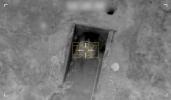
The statement was accompanied by newly released unclassified infrared footage showing a precision strike against a concealed Iranian mobile missile launcher positioned in a remote desert area. The video captures the sequence of detection, targeting, and impact, highlighting the advanced intelligence, surveillance, and reconnaissance systems used by U.S. forces to track mobile threats. Moments after the launcher is identified, a precision-guided munition strikes the target, destroying the equipment and eliminating its operational capability.
Military officials say the strike is part of a broader campaign aimed at dismantling elements of Iran’s ballistic missile infrastructure. The operation comes amid a joint U.S.–Israeli offensive that began in early March 2026, focused on reducing Iran’s ability to launch missile attacks against American bases, Israeli territory, and allied positions throughout the Middle East. Iranian mobile launchers are considered a particularly difficult threat because they can be rapidly relocated and hidden across vast desert terrain, enabling surprise launches while avoiding conventional detection methods.
CENTCOM’s message signals that the United States has significantly intensified its monitoring and targeting operations. Modern reconnaissance platforms—including satellites, airborne sensors, and long-endurance surveillance aircraft—are being used to detect movement patterns, heat signatures, and logistical support structures associated with missile units. Once confirmed, these assets allow U.S. commanders to execute rapid precision strikes designed to destroy launchers before they can be used.
The operation follows earlier strategic bomber missions conducted by U.S. forces, including flights by B-1 and B-2 bombers that targeted hardened Iranian military facilities believed to support missile development and storage. Those earlier missions were intended to weaken Iran’s ability to maintain and deploy ballistic weapons across the region. By striking both hardened infrastructure and mobile launch platforms, the current campaign aims to disrupt Iran’s layered missile network.
גאלערי
ווידעאס
