
Iran Used Khamenei's Funeral to Send Every Middle East Power a Chilling Quranic Warning Tailored Directly to Them
Saudi Arabia: Two armies in battle — one believing, one not
Türkiye: Fighters elevated above those who "sit"
Lebanon: Those who refuse sacrifice when called upon
Qatar: Forgiveness and divine favor — nod to mediation
Hezbollah: "Do not weaken — you are superior"
Hamas: Men who kept their covenant — some died, others wait
Houthis: Believers who fought without faltering
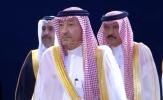
In one of the most calculated and revealing diplomatic maneuvers in recent Middle Eastern history, Iran reportedly handed each foreign delegation attending Khamenei's funeral a personally selected Quranic verse — each one a pointed, unmistakable message about exactly how Tehran views that nation's loyalty, courage, or betrayal. This was not a gesture of mourning. It was a master class in ideological statecraft, using the sacred language of Islam as a weapon of political pressure, praise, and condemnation all at once. Saudi Arabia received a verse about two armies in battle — one believing, one not — a barely veiled accusation that Riyadh stands on the wrong side of God's divide. Turkey's delegation was handed a passage elevating those who fight over those who merely sit, a sharp prod at Ankara to stop hedging and pick a side. Lebanon — whose political class Iran has long viewed as insufficiently committed to the resistance — received a verse about people who refuse to sacrifice when called. The message to Beirut could not have been clearer: Iran is watching, and it is not impressed.
The verses reserved for Iran's most trusted proxies and allies were strikingly different in tone. Hezbollah, battered and bloodied from its grinding war with Israel, was handed a rallying cry — "do not weaken, you are superior" — a direct injection of ideological resolve into a group that has suffered devastating losses in leadership and territory. Hamas received perhaps the most emotionally charged passage of all: a verse about men who kept their covenant with God, with the haunting addendum that some have already died and others are still waiting for their turn. It was simultaneously a tribute to fallen fighters and a recruitment call to those still standing. The Houthis, who have continued their attacks with remarkable tenacity despite relentless pressure, were honored as believers who fought without faltering — Iran's way of signaling that Yemen's rebels remain in the innermost circle of the so-called Axis of Resistance. Qatar alone received something gentler — a verse about forgiveness and divine favor, a diplomatic acknowledgment of Doha's role as a ceasefire mediator and quiet back-channel between adversaries.
What makes this episode so significant is what it reveals about Iran's strategic self-image even in the immediate aftermath of Khamenei's death. Rather than using the funeral as a moment of grief and inward reflection, Tehran transformed it into a geopolitical communication platform — broadcasting its expectations, its judgments, and its demands to the entire region in one audacious act. For allies in the West and for Israel, this is a critical intelligence window into how Iran's new leadership intends to manage its network of proxies and regional relationships going forward. The regime has made clear that loyalty will be rewarded, hesitation will be publicly shamed, and the fight — in Tehran's eyes — is very far from over. Washington and Jerusalem would be wise to read every single one of those verses very carefully.
גאלערי
ווידעאס