פראטעסטן אין סערביע
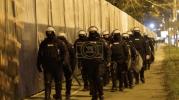
Violent confrontations broke out in Serbia’s capital on Tuesday, February 17, as thousands of anti-government demonstrators filled the streets of Belgrade demanding early elections and accusing authorities of tightening control over the country’s political and media landscape. The unrest marks one of the most significant public challenges to the government in recent months and reflects deepening polarization within Serbian society.
Protesters gathered in large numbers in central Belgrade, carrying banners and chanting slogans calling for democratic reforms and greater press freedom. As tensions escalated, some demonstrators threw flares toward police lines, prompting a forceful response from riot units deployed to secure government buildings and major thoroughfares. The clashes resulted in chaotic scenes, with smoke filling the streets and officers pushing back crowds in an effort to restore order.
Organizers of the demonstrations argue that the current administration has restricted independent journalism, marginalized opposition voices, and created an uneven political environment that undermines fair electoral competition. They are calling for snap elections as a means of resetting the political process and allowing voters to determine the country’s direction. Government officials have rejected these accusations, maintaining that Serbia’s institutions remain democratic and that public order must be preserved.
The protests highlight broader concerns about governance, rule of law, and media plurality in the Western Balkans, where political tensions often intersect with economic pressures and competing geopolitical influences. Serbia’s strategic position between European Union integration efforts and longstanding regional relationships adds further complexity to the domestic political climate.
Security forces maintained a heavy presence throughout the city following the initial clashes, establishing cordons around key sites to prevent further escalation. While the demonstrations began as a political rally, the outbreak of violence risks shifting public attention from the protesters’ demands to questions of security and stability, a dynamic that has historically influenced public perception of opposition movements.
The situation remains fluid, with additional demonstrations expected in the coming days. Whether the unrest leads to meaningful political dialogue, policy concessions, or a prolonged period of confrontation will depend on the willingness of both government and opposition figures to engage beyond the street protests. For now, the events in Belgrade underscore the volatility of Serbia’s political environment and the challenges facing efforts to balance public dissent with institutional authority.
גאלערי
ווידעאס