דער מיטעל מזרח פלאקערט אויף: אמעריקע אטאקירט איראנער מיליטערישע באזעס און פאראליזירט אן אויל-טאנקער איבער'ן גאנצן ראיאן.
WAR ESCALATES: U.S. Reimposed Naval Blockade on Iran, Hammers Bandar Abbas — Iran Fires Back at Bahrain, Kuwait and Jordan
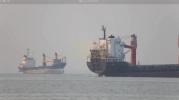
In a dramatic and dangerous escalation that has set the entire Middle East on a razor's edge, the United States reimposed a full naval blockade on Iran on July 15, 2026, simultaneously launching precision strikes against coastal defense installations, missile sites, and military facilities in and around the strategically critical port city of Bandar Abbas, while also disabling an Iranian oil tanker at sea. U.S. Central Command released unclassified footage of the operation, showing massive explosions tearing through Iranian military infrastructure, oil tankers disabled in open water, and towering smoke plumes rising over coastal facilities in broad daylight — images that leave no doubt about the scale and ferocity of America's response. Iran wasted no time in retaliating, firing a barrage of missiles and drones at U.S. military targets in Bahrain, Kuwait, and Jordan, bringing the conflict to the doorstep of three key American allies simultaneously. The June ceasefire is in ruins, and the Persian Gulf is once again a war zone.
The trigger for this shattering escalation was Iran's deliberate and flagrant decision to close the Strait of Hormuz following the collapse of the June truce — a provocative act of economic warfare that sent immediate shockwaves through global energy markets and left the Trump administration with no choice but to respond with overwhelming force. Brent crude surged to a one-month high of $84.95 per barrel as traders scrambled to price in the prospect of prolonged disruption to one of the world's most vital shipping corridors, with Iran threatening to block additional seaways in a calculated attempt to weaponize the global oil supply against the West. The U.S. strikes on Bandar Abbas — targeting the very coastal defense and missile infrastructure Iran relies on to threaten Persian Gulf shipping — represent a surgical and devastating answer to Tehran's blockade strategy, aimed at degrading Iran's ability to close critical waterways and hold the global economy hostage. The message from the Trump administration is blunt and unmistakable: close the Strait, and we will take apart the military hardware you used to close it.
Iran's retaliatory missile and drone strikes against U.S. positions in Bahrain, Kuwait, and Jordan represent a significant and deeply alarming expansion of the conflict's geographic footprint, pulling three American-allied nations directly into the crossfire of a confrontation that Tehran appears determined to widen at every opportunity. This is precisely the pattern of Iranian behavior that Senator Ted Budd and other Republican hawks have been warning about for years — a regime that interprets restraint as weakness, exploits diplomatic openings to rearm and regroup, and responds to any challenge by immediately escalating across multiple fronts and multiple nations simultaneously. The Trump administration's decision to reimpose the blockade and strike Iranian military sites is not aggression; it is the unavoidable consequence of allowing a rogue regime to strangle a global shipping lane and attack American forces without accountability. The United States did not choose this escalation — Iran did, the moment it shut down the Strait of Hormuz and dared America to respond.
גאלערי
ווידעאס
