קיין גראונדינג: די FAA פארארדנט אינספעקציעס אויף 471 באואינג 737 מעקס פליגערס נאכדעם וואס מ'האט געטראפן ריסן אין די עלטערע מאדעלן.
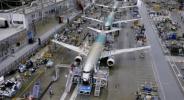
FAA Orders Inspections on 471 Boeing 737 MAX Jets After Cracks Found
The Federal Aviation Administration has ordered mandatory inspections on 471 U.S.-registered Boeing 737 MAX aircraft after cracks were discovered in a key structural component on older 737 Next Generation models. The directive targets the “bear strap” near the forward galley door, a reinforcement designed to maintain fuselage strength under repeated pressurization cycles. Importantly, no cracks have been found on any 737 MAX jets to date, and the agency is not grounding the fleet. Inspections using both visual and eddy current methods are set to begin on September 10, 2026, covering 1,429 aircraft worldwide.
Boeing first notified operators of the issue on Next Generation aircraft in 2019 and later expanded the inspection program to the MAX family because the planes share similar design and manufacturing processes. The company is actively investigating the root cause of the cracking while developing preventive measures for future production. The FAA continues to monitor Boeing’s manufacturing closely as the directive takes effect. Airlines are expected to complete the work within the required timeline without major disruption to schedules.
Southwest Airlines, one of the largest operators of the 737 family, confirmed it is reviewing the order and plans to carry out the preventive checks on time. Other carriers operating the affected MAX 8, MAX 9, and MAX 8-200 variants are similarly preparing to comply. The measured approach—requiring inspections rather than immediate groundings—reflects a focus on maintaining safety while keeping the flying public moving. Under the current administration, aviation regulators are emphasizing proactive oversight to address potential risks before they escalate.
The directive underscores ongoing efforts to ensure the structural integrity of one of the world’s most widely flown commercial aircraft. By acting on data from older models and extending scrutiny to the MAX fleet, the FAA is reinforcing confidence in the safety of U.S. air travel. Passengers can expect minimal impact as airlines work through the inspection process in an orderly fashion.
גאלערי
ווידעאס
