איראן געשטיצטע מיליציע אטאקירט אמעריקאנער באזע אין איראק.
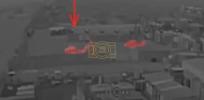
An Iranian-backed militia carried out a precision FPV drone strike on Camp Victory near Baghdad Airport, hitting multiple targets inside the base. A parked UH-60 Black Hawk helicopter sustained confirmed damage, alongside other critical base infrastructure. The strike underscores the growing threat posed by drone warfare to U.S. military assets in Iraq.
Drone footage released by the group provides a clear view of the attack, demonstrating the militia’s ability to conduct coordinated, low-cost strikes with high tactical impact. Analysts note that these drones may employ fiber-optic guidance systems to resist jamming, highlighting a significant evolution in proxy warfare capabilities. Such tactics expose vulnerabilities in conventional base air defenses, prompting renewed assessments of protective measures.
This strike fits a broader pattern of escalation since early 2026, with over a dozen similar attacks on U.S. positions in Iraq. Groups like Kataib Hezbollah have increasingly responded to U.S. and Israeli actions targeting Iranian interests, indicating a deliberate campaign of asymmetric retaliation. The trend reflects Iran’s strategy of leveraging proxy forces to exert influence while minimizing direct confrontation.
The incident demonstrates the operational sophistication of Iran-backed militias, blending technological innovation with guerrilla tactics. Military observers emphasize that FPV drones can deliver precise strikes against high-value assets at a fraction of the cost of conventional weapons. The attacks signal an ongoing challenge for U.S. forces, requiring rapid adaptation to counter low-cost, high-impact aerial threats effectively.
Overall, the strike at Camp Victory illustrates the evolving nature of asymmetric conflict in the region, with Iran-backed militias exploiting drone technology to challenge U.S. forces. The escalation highlights the need for enhanced intelligence, early-warning systems, and layered air defense strategies to protect personnel and critical infrastructure in Iraq.
גאלערי
ווידעאס
