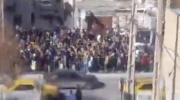

Protests in Iran intensified on January 1, 2026, as demonstrators in the city of Marvdasht joined a nationwide wave of unrest, openly chanting slogans against Supreme Leader Seyed Ali Khamenei and the Islamic Republic. Video footage from the city shows large crowds marching through streets, chanting, “This year is gonna be bloody, Seyed Ali is doomed,” highlighting the growing boldness of anti-regime sentiment.
The unrest, which began in late December 2025, has been fueled by severe economic collapse, including rapid rial devaluation, rising prices, and public dissatisfaction with government corruption. Demonstrations have spread from Tehran’s bazaar merchants to students and urban centers across multiple provinces, indicating widespread frustration with the current regime.
As of January 1, the protests have entered their fifth consecutive day. Security forces have reportedly clashed with demonstrators, with at least five fatalities confirmed. The clashes underscore the increasing volatility in urban centers and the potential for further escalation if government measures fail to address public grievances.
The slogans and chants seen in Marvdasht reflect not just economic anger but an ideological challenge to the regime’s authority. Calls for regime change, previously whispered or suppressed, are now being openly expressed, signaling a significant shift in the tone and confidence of protest movements within Iran.
Observers note that the intensity and persistence of these demonstrations, combined with widespread economic hardship, could mark a turning point in domestic opposition to the Islamic Republic. International attention is focused on Iran as these protests continue, raising concerns over both human rights and regional stability.
The Marvdasht march, with its defiant rhetoric against the Supreme Leader, serves as a vivid example of the risks the regime faces amid compounding economic and social pressures. How authorities respond in the coming days may determine whether these demonstrations remain localized or evolve into a broader nationwide movement.
גאלערי
ווידעאס