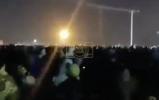

Large-scale protests erupted in the Iranian city of Isfahan on January 1, 2026, as thousands of demonstrators flooded the streets in a powerful display of defiance against the Islamic Republic. Video footage circulating online shows massive nighttime crowds gathered under streetlights, chanting slogans openly hostile to the ruling regime.
Among the most striking chants heard in the footage were pro-monarchy slogans, including “Reza Shah, bless your soul,” a reference to Iran’s pre-revolutionary leader. Such chants reflect a growing rejection of the Islamic Republic itself, not merely dissatisfaction with individual policies, and signal a widening ideological challenge to the regime’s legitimacy.
The protests come amid nationwide unrest driven by Iran’s worsening economic crisis. Rapid currency devaluation, soaring prices, widespread unemployment, and persistent corruption allegations have pushed public frustration to a breaking point. For many Iranians, daily life has become increasingly unaffordable, while the regime continues to pour resources into regional proxy conflicts and internal repression.
Footage from Isfahan shows flares lit above dense crowds, creating an atmosphere of open resistance despite the risks involved. Demonstrators appeared undeterred by the presence of security forces, even as reports emerged that at least seven people were killed in clashes with authorities elsewhere in the country on the same day.
The Islamic Republic has responded to the unrest with its familiar playbook of force, arrests, and internet restrictions. However, the scale and symbolism of the Isfahan protests suggest a population growing less fearful and more willing to challenge the regime directly, even invoking figures and slogans long considered taboo.
Observers note that open praise for Iran’s former monarchy represents a significant shift in public discourse, reflecting nostalgia for stability and national identity amid decades of economic mismanagement and authoritarian rule. The chants heard in Isfahan echo similar sentiments expressed during previous waves of unrest, but with greater intensity and visibility.
As protests continue to flare across Iran, the scenes from Isfahan underscore a regime facing mounting internal pressure at a time of deep economic failure and declining public trust. Whether the unrest will coalesce into sustained nationwide resistance remains uncertain, but the message from the streets is increasingly clear: large segments of the Iranian population are no longer willing to remain silent.
גאלערי
ווידעאס