טראמפ רייסט אראפ ניוסעם און AOC נאך זייערע אויפטריטן אין מינכן
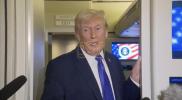
President Donald Trump criticized Rep. Alexandria Ocasio-Cortez and California Governor Gavin Newsom for their performances at the 62nd Munich Security Conference held February 13–15, 2026, calling both officials “incompetent” and claiming their public appearances reflected poorly on the United States. Trump singled out their question-and-answer sessions, suggesting that missteps in high-stakes discussions undermined U.S. credibility on the international stage.
During the conference, Ocasio-Cortez engaged with Secretary of State Marco Rubio and other officials on topics related to U.S. global policy, while Newsom addressed European allies on climate initiatives and California-led international partnerships, framing his remarks as a counterweight to Trump-era positions. Both officials sought to present alternative U.S. perspectives in diplomacy and global engagement. However, observers noted moments of verbal hesitation and awkward phrasing, which Trump highlighted as evidence of poor preparation and ineffective messaging.
Trump’s criticism underscores the ongoing partisan debate over the presentation of American leadership abroad. By labeling Ocasio-Cortez and Newsom as incompetent, he emphasized his perspective that projecting strength and clarity in international forums is essential for U.S. influence and that public missteps by political opponents can have strategic consequences.
The president’s comments also reflect broader domestic political dynamics, in which members of Congress and state executives position themselves as ideological and policy counterbalances to his administration. While Ocasio-Cortez focused on challenging U.S. foreign policy priorities, Newsom stressed environmental leadership and continuity with European partners. Both, however, faced scrutiny for their execution under the pressure of live international audiences.
Analysts suggest that high-profile conferences like Munich, which convene policymakers, diplomats, and experts from around the world, amplify any perceived mistakes. In this context, Trump framed verbal missteps not merely as political errors but as threats to national reputation, reinforcing his longstanding argument for disciplined communication and assertive representation of U.S. interests abroad.
The remarks also contribute to ongoing discussions about the role of non-federal actors—such as governors and individual members of Congress—in shaping America’s international image. While their perspectives can offer diverse insights, Trump’s critique underscores the expectation among some political leaders that foreign policy representation should be consistent, strategic, and professionally executed.
By publicly critiquing Ocasio-Cortez and Newsom, Trump reinforced his narrative that leadership and competence are inseparable from credibility in the international arena, framing the Munich Security Conference as a stage where perceived failures can have real-world implications for the United States’ standing and influence.
גאלערי
ווידעאס
