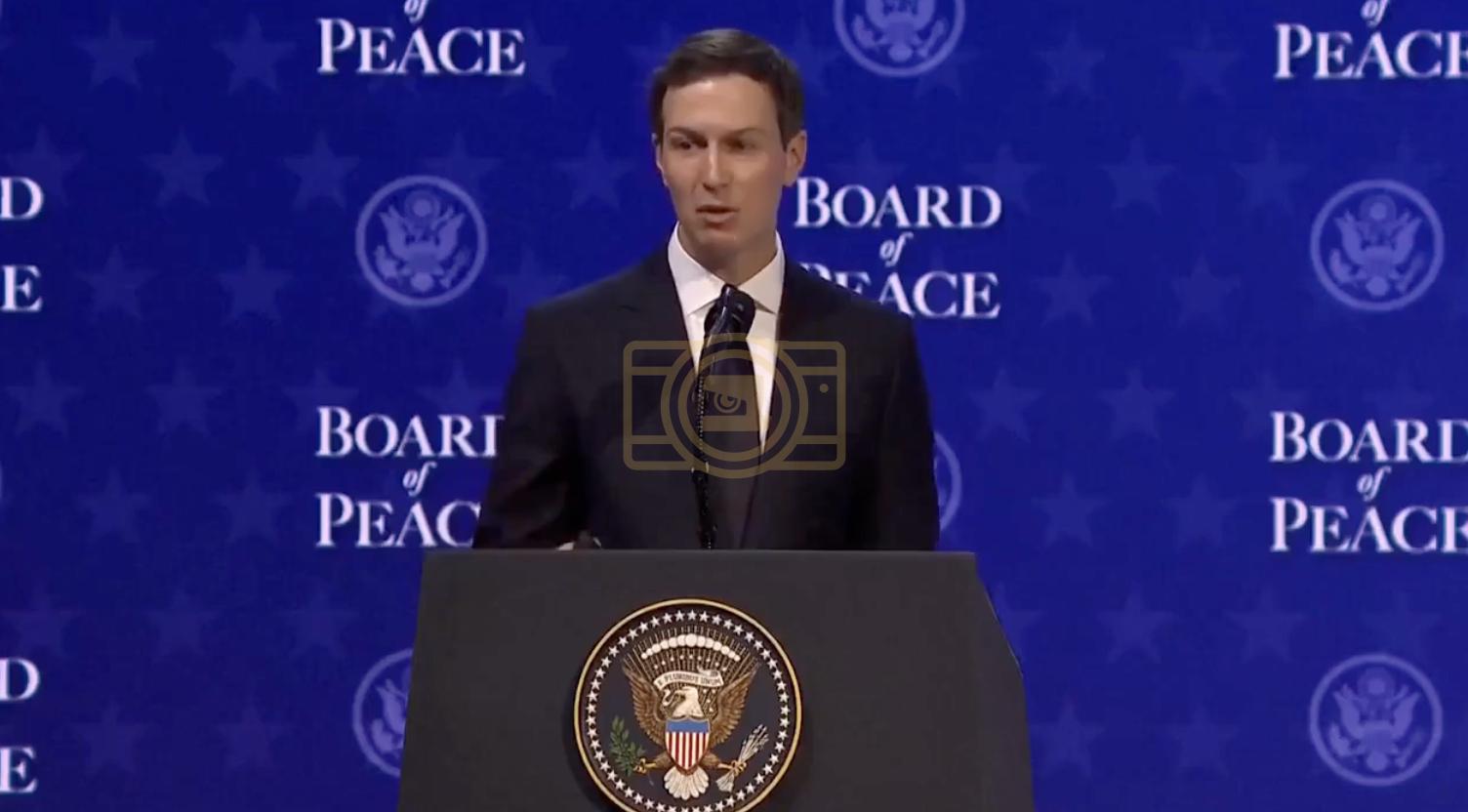
קושנער דעטאלירט טראמפ'ס שלום פלאן פראגרעס אין עזה.

גאלערי
ווידעאס
Jared Kushner outlined what he described as substantial and measurable progress in Gaza under President Trump’s peace initiative, presenting a sweeping vision for stability, reconstruction, and long-term prosperity during remarks at the World Economic Forum in Davos on January 22, 2026. Speaking to global political and business leaders, Kushner detailed the administration’s comprehensive 20-point peace plan, emphasizing that tangible results have already been achieved on the ground.
According to Kushner, the plan has helped secure ceasefire advancements while enabling what he called historic levels of humanitarian assistance. He cited the delivery of approximately 55,000 aid trucks carrying more than 1.4 million pallets of food, medical supplies, and essential goods into Gaza, framing the effort as one of the largest coordinated humanitarian operations in the region’s history. He argued that sustained security pressure combined with structured diplomacy made such aid flows possible.
Central to the plan is the creation of a technocratic National Committee designed to govern Gaza on an apolitical basis, focused strictly on peace, reconstruction, and economic growth. Kushner emphasized that the committee would operate independently of extremist factions, prioritizing competent administration, transparency, and service delivery over ideology. He described this governance model as essential to breaking Gaza’s cycle of conflict and dependency.
Looking ahead, Kushner presented what he called a master plan to transform Gaza into a regional economic hub by 2035. The proposal envisions roughly $25 billion in international investment, the establishment of demilitarized zones, and large-scale infrastructure projects including AI-integrated skyscrapers, modern workforce housing, and a new international airport. He also highlighted plans for full employment, advanced education systems, and modern healthcare modeled on global best practices.
Kushner framed the initiative as a departure from decades of failed approaches that prioritized short-term crisis management over long-term solutions. He argued that peace and prosperity are inseparable, asserting that economic opportunity and stable governance are the most effective tools to prevent radicalization and recurring violence.
Supporters of the plan view it as a bold and pragmatic strategy that aligns security with development, offering a realistic path forward for Gaza while safeguarding Israel’s right to defend itself. Critics remain skeptical of its feasibility, but Kushner maintained that the scale of ambition reflects the scale of the challenge, and that incremental thinking has already proven insufficient.
By presenting detailed benchmarks, investment targets, and governance structures, Kushner positioned the Trump administration’s Gaza plan as a comprehensive framework aimed at delivering lasting peace rather than temporary calm, signaling a long-term commitment to reshaping the region’s future.