איראנישער רעזשים באגרענעצט די פראטעסטירער
גאלערי
ווידעאס
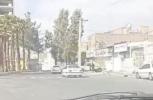
Iranian authorities have reportedly tightened security and imposed stringent restrictions on movement in Zahedan, the capital of Sistan‑Balochistan province, in anticipation of protests following Friday prayers. Multiple credible reports and human rights monitoring indicate that in cities across Iran, state security forces have stepped up deployment of military and paramilitary units, established severe curfew‑like conditions, and enforced restrictive measures that amount to de facto martial law in urban areas, including Zahedan.
The actions come amid the most intense wave of anti‑government unrest Iran has seen in years. Nationwide demonstrations, which began in late December 2025 over economic hardship and broader political grievances, have continued to draw significant participation and criticism of the clerical regime. Iran’s response has been characterized by widespread deployment of security forces, restrictions on movement, and severe crackdowns on dissent.
According to human rights observers, security personnel have occupied key roadways, established checkpoints, and restricted civilian access to major thoroughfares ahead of Friday prayers. These measures are widely seen as attempts by the regime to prevent large gatherings or street protests from forming, particularly after weekly sermons that often serve as rallying points for opposition activity.
Eyewitness accounts and diaspora activists report that residents have been warned to stay indoors, and local movement after sunset may expose civilians to detention or violence by state forces. Such measures reflect a broader pattern of repression that includes internet blackouts, mass arrests, and lethal force used against protestors in multiple Iranian cities. :
The situation in Zahedan, home to a large Sunni Baluch minority that has historically faced discrimination from Tehran, is particularly sensitive. Friday prayers and related gatherings have repeatedly been flashpoints for demonstrations in past years as part of wider anti‑regime movements. While official Iranian media have framed security measures as necessary to maintain public order, independent observers describe the restrictions as a form of enforced martial control intended to suppress dissent and civilian mobilization.
