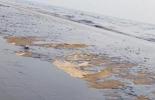
אויל באדעקט די ברעגעס אויף איראנער אינזלען ביים הארמוז דורכגאס.
גאלערי
ווידעאס
Oil Chokes Iranian Beaches After Tanker Explosions Rock Strait of Hormuz
Disturbing new footage emerging from Iran shows beaches on islands such as Qeshm in the Strait of Hormuz blanketed in thick crude oil, the apparent result of explosions involving multiple oil tankers in one of the world's most critical shipping corridors. The Strait of Hormuz carries a substantial share of global seaborne oil shipments, and any disruption there sends ripples through energy markets and coastal ecosystems alike. The videos circulating online depict oil-soaked sand and blackened shoreline stretching across long stretches of coast, a visual record of the scale of contamination now facing local communities. The incident unfolds against a backdrop of rising regional tensions that have repeatedly put the strait's tanker traffic at risk in recent years.
Environmental observers monitoring the spill have flagged serious harm to sea turtles, coral reefs, and seabird populations that depend on the strait's waters, alongside mounting concern for the fishing communities whose livelihoods rest on those same waters. Iran's tourism industry along the Persian Gulf coast, already a fragile economic sector, now faces the added burden of oil-fouled beaches driving away visitors. At least one observer specifically pointed to the disproportionate impact on Afro-Iranian communities concentrated along the southern coastline, who rely heavily on fishing and coastal trade for their livelihoods and stand to bear an outsized share of the economic fallout. The convergence of ecological and economic harm has intensified scrutiny of how the explosions occurred and who bears responsibility for the resulting damage.
Calls for accountability are growing louder as cleanup crews face the daunting logistical challenge of containing and removing oil from sensitive coastal habitats before it spreads further or sinks into sediment where it can linger for years. Experts caution that the long-term effects on marine life and local economies could persist long after the visible slicks are gone, with contamination potentially working its way through the food chain and undermining fish stocks for seasons to come. As the region continues to grapple with heightened tensions surrounding tanker traffic through the strait, this spill stands as a stark reminder of how quickly geopolitical friction in the Gulf can translate into environmental catastrophe for the communities who call its shores home.
